
Safe Exercise Tips While on Weight Loss Medication
- Home
- Safe Exercise Tips While on Weight Loss Medication
Safe Exercise Tips While on Weight Loss Medication
Moving Your Body While on Weight Loss Medication
Weight loss medications like GLP-1 receptor agonists (such as semaglutide and tirzepatide) have become popular tools to help people manage their weight. These medicines can reduce appetite and help the body use blood sugar more effectively. But medication alone is only part of the picture. Adding regular physical activity can support your overall health and help you feel stronger as your body changes.
If you are taking weight loss medication, you may be wondering how to start exercising safely. This guide shares practical, doctor-approved tips to help you move your body with confidence. Always talk to your healthcare provider before starting a new exercise routine, especially while on prescription medication.
Why Exercise Matters During Medical Weight Loss
Physical activity offers benefits that go well beyond weight. Regular movement helps build and preserve muscle, supports heart health, improves mood, and boosts energy levels. When people lose weight, some of that loss can come from muscle tissue. Exercise — especially strength training — helps protect lean muscle mass during the process.
Research published in the journal Obesity has shown that combining physical activity with lifestyle changes leads to better long-term health outcomes than either approach on its own. Exercise also helps the body manage blood sugar and supports cardiovascular function, which matters for overall wellness.
Weight loss medications can cause reduced appetite, meaning you may be eating less than before. This makes it especially important to move intentionally so your body gets the signals it needs to stay strong and functional.
Start Slow and Listen to Your Body
One of the most important rules for exercising on weight loss medication is to start slowly. If you have not been active recently, begin with gentle movement like short walks, light stretching, or beginner yoga. Even 10 minutes of movement a day is a great starting point. You can build from there as your body adjusts.
Some people taking GLP-1 medications experience side effects like nausea, fatigue, or dizziness — especially when first starting or increasing the dose. High-intensity workouts during these times can make side effects worse. Pay attention to how you feel and give yourself permission to rest when needed.
A helpful rule of thumb: if you can hold a short conversation while exercising, you are working at a safe intensity. If you feel lightheaded, short of breath beyond normal exertion, or experience chest discomfort, stop immediately and contact your healthcare provider.
The Best Types of Exercise to Consider
A balanced exercise routine includes both aerobic (cardio) activity and strength training. Cardio exercises like walking, swimming, cycling, or dancing get your heart rate up and support cardiovascular health. The CDC recommends at least 150 minutes of moderate-intensity aerobic activity per week for adults.
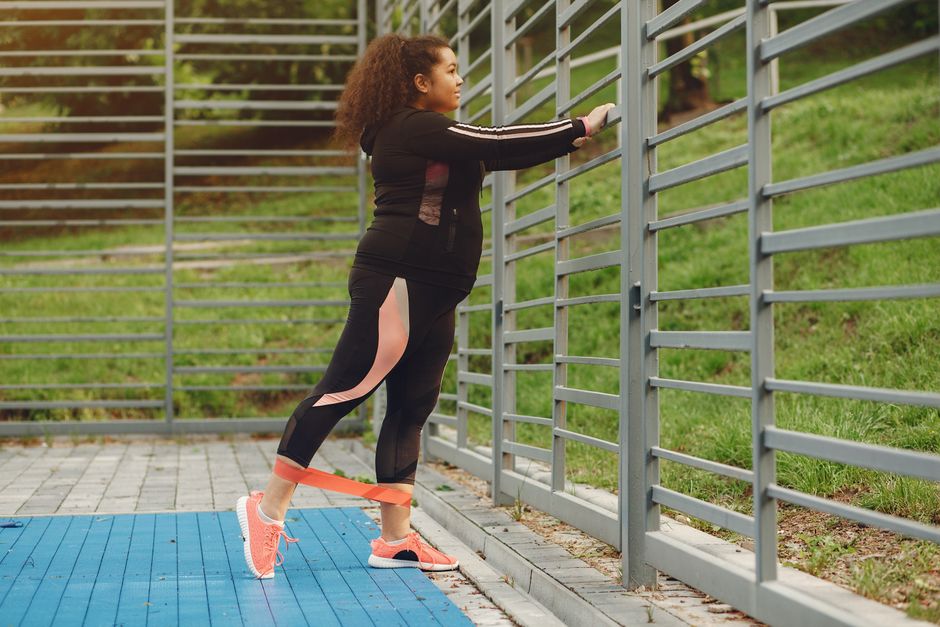
Strength training is especially valuable when taking weight loss medication. Lifting light weights, using resistance bands, or doing bodyweight exercises like squats and push-ups helps maintain muscle. Aim for two or more days of muscle-strengthening activity per week, targeting major muscle groups.
Flexibility and balance work, such as stretching or tai chi, rounds out a well-balanced routine. These activities reduce injury risk and improve how your body moves day to day. Mixing different types of exercise keeps things interesting and helps you stay consistent over time.
Fuel and Hydrate Properly
Because weight loss medications reduce appetite, it can be easy to under-eat — especially before or after exercise. Skipping enough food before a workout can lead to low blood sugar, dizziness, or fatigue. Try eating a small, balanced snack containing protein and carbohydrates about 30 to 60 minutes before exercise if you plan to work out for more than 30 minutes.
Protein is especially important when you are physically active and in a calorie deficit. Adequate protein intake helps protect muscle tissue and supports recovery after exercise. Good sources include eggs, chicken, fish, Greek yogurt, beans, and tofu. A registered dietitian or your prescribing clinician can help you figure out the right amount for your needs.
Hydration is also critical. Dehydration can worsen nausea — a common side effect of GLP-1 medications — and makes exercise harder. Drink water consistently throughout the day, not just during workouts. If you sweat heavily or exercise in warm weather, you may need extra fluids.
Safety Tips to Keep in Mind
Here are some key safety reminders for exercising while on weight loss medication:
- Warm up and cool down. Spend 5 minutes warming up before exercise and cooling down afterward to help prevent injury.
- Avoid exercising on an empty stomach if you feel lightheaded or weak, especially in the early weeks of medication.
- Time your workouts wisely. Some people feel better exercising in the morning before nausea peaks later in the day.
- Rest when needed. Rest days are part of a healthy routine, not a sign of failure.
- Track your progress. Keeping a simple log of your workouts can help you see improvement and stay motivated.
- Work with your care team. Regular check-ins with your prescribing provider allow you to adjust your plan as your fitness level improves.
If you have any underlying health conditions such as heart disease, joint problems, or diabetes, it is especially important to get personalized guidance before increasing your activity level. Your provider can help you exercise safely within your specific limits.
Getting Support for Your Weight Loss Journey
You do not have to figure this out alone. Working with a licensed healthcare provider helps ensure that your medication, nutrition, and exercise plan all work together. Clinicians can adjust your medication dose, address side effects, and offer guidance tailored to your health history.
If you are in California or Nevada and looking for convenient, affordable medical weight loss support, SendSlim.com offers video and phone visits with licensed clinicians for just $50 per visit — no insurance needed. Getting professional guidance has never been more accessible.
Combining medication with regular physical activity and good nutrition gives you a strong foundation for lasting health. Small, consistent steps add up over time. Be patient with yourself, celebrate your progress, and keep moving forward.
References
- Donnelly, Joseph E., et al. “American College of Sports Medicine Position Stand: Appropriate Physical Activity Intervention Strategies for Weight Loss and Prevention of Weight Regain for Adults.” Medicine & Science in Sports & Exercise. 2009.
- Wilding, John P.H., et al. “Once-Weekly Semaglutide in Adults with Overweight or Obesity.” New England Journal of Medicine. 2021.
- Centers for Disease Control and Prevention. “How Much Physical Activity Do Adults Need?” CDC.gov. 2023.
- Apovian, Caroline M., et al. “Pharmacological Management of Obesity: An Endocrine Society Clinical Practice Guideline.” Journal of Clinical Endocrinology & Metabolism. 2015.
- Catenacci, Victoria A., and Holly R. Wyatt. “The Role of Physical Activity in Producing and Maintaining Weight Loss.” Nature Clinical Practice Endocrinology & Metabolism. 2007.
Ready to start your medical weight loss journey?
Talk to a licensed clinician by phone or video — from anywhere in California or Nevada. No waiting room. No insurance needed. Just $50 per visit.
Individual results vary. Medication is only prescribed when clinically appropriate.
- Share
