
Track Weight Loss Progress Beyond the Scale | SendSlim
- Home
- Track Weight Loss Progress Beyond the Scale | SendSlim
Track Weight Loss Progress Beyond the Scale | SendSlim
Why the Scale Does Not Tell the Whole Story
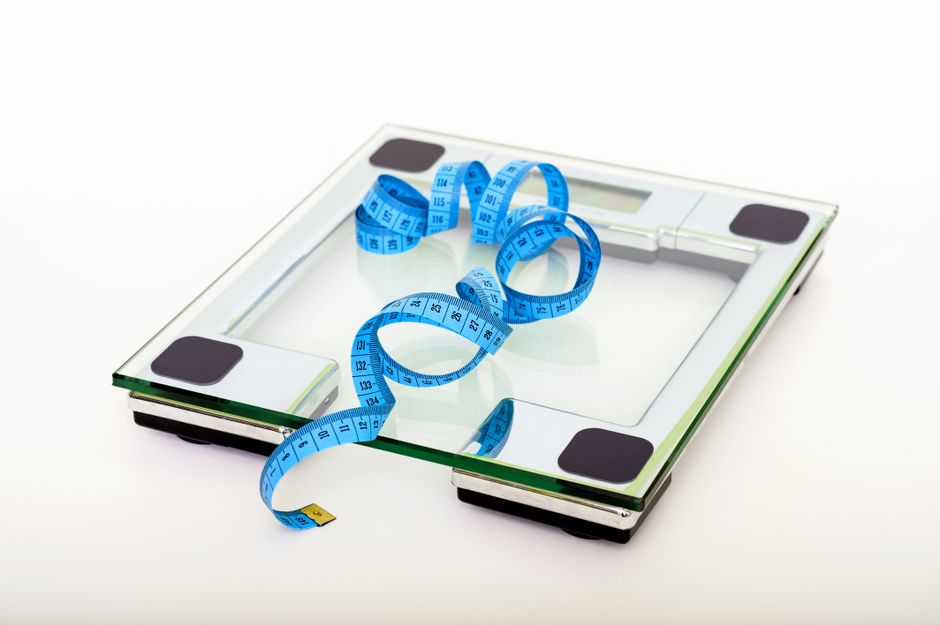
Many people step on the scale every morning and let that single number decide how they feel about their progress. But body weight can shift by two to five pounds in a single day based on water, food, and even stress. This means the scale alone is one of the least reliable ways to judge how well your weight loss plan is working. There are much better tools that give you a clearer, more complete picture.
When you focus only on the number on the scale, it is easy to feel discouraged even when real, positive changes are happening inside your body. Fat loss, muscle gain, better energy, and improved health markers are all signs of progress — and none of them always show up right away on a scale. Learning to track these other signs keeps you motivated and helps you make smarter choices along the way.
Body Measurements and Clothing Fit
One of the most practical ways to track progress is by taking body measurements. Using a soft measuring tape, you can track inches around your waist, hips, chest, arms, and thighs. Many people notice their measurements shrinking even during weeks when their weight stays the same. This often happens because they are losing fat and building lean muscle at the same time — a very healthy trade-off.
Your clothing is another simple and free measurement tool. Notice whether your pants feel looser, whether your belt has moved to a new notch, or whether shirts fit differently across the shoulders and midsection. These everyday clues reflect real body composition changes. Try tracking measurements once every two to four weeks rather than daily for the most useful comparisons.
Body Composition: Fat vs. Muscle
Body composition refers to how much of your body weight comes from fat versus lean tissue like muscle, bone, and water. Two people can weigh the exact same amount but look and feel very different depending on their body composition. Losing fat while maintaining or building muscle is a key goal of healthy, sustainable weight loss.
Tools like bioelectrical impedance scales, DEXA scans, and handheld body fat analyzers can estimate your body fat percentage over time. While no consumer-level tool is perfectly precise, tracking trends with the same device consistently gives useful information. Research published in Obesity has found that body fat percentage is a stronger predictor of health risk than body weight alone. Your clinician can help you understand what numbers are meaningful for your age, sex, and goals.
Health Markers Your Doctor Can Track
Some of the most important signs of progress happen inside your body where you cannot see them. Blood pressure, fasting blood glucose, triglycerides, HDL cholesterol, and other lab values can all improve with weight loss — sometimes before you lose a large amount of weight. Tracking these numbers over time gives you concrete evidence that your efforts are paying off.
Even modest weight loss of five to ten percent of body weight has been shown in studies to produce meaningful improvements in blood pressure and blood lipid levels, according to research from the National Institutes of Health. Ask your care team to run a basic metabolic panel and lipid panel at the start of your journey and again after several months. Seeing those numbers move in a healthier direction is powerful motivation that no scale can provide.
If you are looking for a convenient way to get this kind of personalized medical guidance, SendSlim offers video and phone visits with licensed clinicians for just $50 per visit — no insurance required. Clinicians can review your health markers and help you build a tracking plan that makes sense for you.
Energy, Sleep, and Mood as Progress Signals
How you feel day to day is a real and important measure of progress. Many people working toward a healthier weight report better sleep, more stable energy throughout the day, and improved mood — even early in their journey. These changes matter and deserve to be recognized as real wins.
Consider keeping a simple journal where you rate your energy level, sleep quality, and mood on a scale from one to ten each day. Over several weeks, you may start to see upward trends that directly reflect the healthy habits you are building. The CDC notes that physical activity and balanced nutrition — both common parts of weight loss plans — are linked to better mental health and sleep quality.
Functional improvements also count as progress. Can you walk up stairs without getting winded? Do your joints feel less stiff in the morning? Can you play with your kids or grandkids longer than before? These real-life changes are meaningful signs that your body is responding to your efforts.
Fitness and Strength Improvements
Tracking what your body can do — not just what it weighs — is a powerful way to measure progress. Fitness benchmarks like how far you can walk in 12 minutes, how many bodyweight squats you can do, or how long you can hold a plank position all reflect genuine improvements in strength and cardiovascular health.
Research published in the Journal of the American Medical Association has consistently linked improved cardiorespiratory fitness with better long-term health outcomes, independent of weight. That means getting stronger and fitter matters deeply on its own. Write down your starting fitness benchmarks and retest yourself every four to six weeks to see real, measurable gains.
Building a Multi-Measure Tracking Routine
The most effective tracking approach combines several methods rather than relying on just one. A simple routine might include weekly weigh-ins at the same time of day, monthly body measurements, quarterly lab work with your clinician, and daily or weekly notes on energy and sleep. This gives you multiple data points so that a slow week on the scale does not derail your confidence.
Progress is rarely a straight line. Having diverse tracking tools means you will almost always be able to find something moving in the right direction, even during a plateau. SendSlim makes it easy to check in with a licensed clinician by video or phone so you can review your full picture of progress and adjust your plan as needed — all from California or Nevada without leaving home.
Conclusion
The scale is just one small window into your health journey. By tracking body measurements, body composition, lab values, fitness levels, and how you feel every day, you get a much fuller and more encouraging view of your progress. Use these tools together, celebrate every sign of improvement, and remember that lasting change takes time. Every healthy choice you make is moving you forward — whether the scale shows it today or not.
References
- Jensen, Michael D., et al. “2013 AHA/ACC/TOS Guideline for the Management of Overweight and Obesity in Adults.” Circulation. 2014.
- Hu, Frank B. “Obesity and Mortality Risk: New Findings from Body Composition Measurements.” The American Journal of Clinical Nutrition. 2007.
- Blair, Steven N. “Physical Fitness and All-Cause Mortality: A Prospective Study of Healthy Men and Women.” Journal of the American Medical Association. 1989.
- National Institutes of Health. “Clinical Guidelines on the Identification, Evaluation, and Treatment of Overweight and Obesity in Adults.” National Heart, Lung, and Blood Institute. 1998.
- Centers for Disease Control and Prevention. “Physical Activity and Health.” CDC.gov. 2023.
Ready to start your medical weight loss journey?
Talk to a licensed clinician by phone or video — from anywhere in California or Nevada. No waiting room. No insurance needed. Just $50 per visit.
Individual results vary. Medication is only prescribed when clinically appropriate.
- Share
