
How to Prepare for a Telehealth Weight Loss Appointment
- Home
- How to Prepare for a Telehealth Weight Loss Appointment
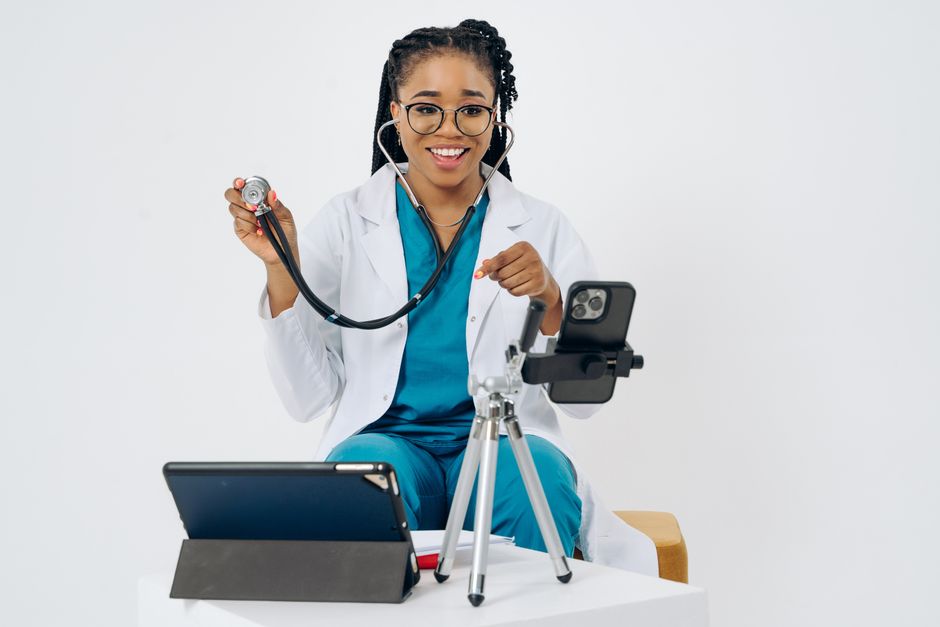
How to Prepare for a Telehealth Weight Loss Appointment
Making the Most of Your Online Weight Loss Visit
Telehealth has made it easier than ever to get medical support for weight loss. Instead of driving to a clinic and waiting in a waiting room, you can meet with a licensed clinician from your home, your car, or even your lunch break. But just like an in-person doctor visit, a little preparation goes a long way. When you show up ready, your clinician can give you better, more personalized guidance.
Whether this is your first telehealth appointment or your fifth, knowing what to bring and what to expect helps you feel confident and get more out of your time. This guide walks you through everything you should do before your visit so you and your clinician can hit the ground running.
Gather Your Health History Beforehand
Your clinician will want to know about your medical background. This includes any health conditions you have been told you have, past surgeries, and any medications or supplements you currently take. Write these down before your appointment so you do not forget anything important in the moment. Even vitamins and over-the-counter medicines matter, because some can affect weight or interact with weight loss treatments.
It also helps to think about your weight history. Be ready to talk about whether you have tried to lose weight before, what approaches you used, and how they worked for you. This is not about judgment. Your clinician needs this information to recommend the safest and most effective path forward for your specific situation.
If you have recent lab work or a visit summary from your primary care doctor, see if you can locate those records ahead of time. You do not have to have them, but sharing them can give your clinician a clearer picture of your overall health.
Take Some Basic Measurements at Home
Before your appointment, step on a scale and write down your current weight. If you have a tape measure, also record your waist circumference. Measuring around your belly button gives a useful number that clinicians sometimes use alongside weight to understand health risk. You do not need fancy equipment — a basic bathroom scale and a fabric measuring tape are enough.
Knowing your height is also important so your clinician can calculate your body mass index, or BMI. BMI is one tool used to help understand where your weight falls relative to general health guidelines. It is not a perfect measure on its own, but it gives your clinician a useful starting point for the conversation.
If you have a blood pressure cuff at home, take a reading and write it down. High blood pressure is common in people seeking weight loss support, and having that number ready can help your clinician make better recommendations right from the start.
Think About Your Goals and Daily Habits
Before your visit, spend a few minutes thinking about what you actually want to achieve and why. Are you hoping to have more energy? Reduce joint pain? Fit more comfortably in your clothes? Specific goals are more useful than vague ones. Your clinician will help you turn those goals into a realistic plan, but it helps to start the conversation with your own ideas already in mind.
Also think about your current eating and activity habits. What does a typical day of eating look like for you? Do you exercise at all, and if so, how often? Are there patterns you already know are holding you back, like late-night snacking or skipping meals? You do not need to have perfect answers, but being honest with yourself — and your clinician — leads to better guidance.
Consider any barriers you face, too. Do you have limited time to cook? Do you work night shifts? Do you have physical limitations that make exercise hard? Sharing these details helps your clinician suggest realistic strategies rather than one-size-fits-all advice.
Set Up Your Technology in Advance
A telehealth visit is only as smooth as your internet connection. Before your appointment, check that your device — whether it is a phone, tablet, or computer — has a working camera and microphone. Find a quiet, private spot where you feel comfortable talking openly. Good lighting helps your clinician see you clearly if they need to observe anything during the visit.
Log in to the telehealth platform a few minutes early so you are not scrambling at appointment time. If you are not sure how the platform works, most services have a simple setup page or a short tutorial. Services like SendSlim, which offers video and phone visits in California and Nevada for just $50 with no insurance required, make the process straightforward with easy-to-follow instructions before your visit.
Have a pen and paper nearby so you can take notes during your appointment. You may receive recommendations about nutrition, activity, or medications, and writing them down means you will not have to rely on memory later.
Prepare a List of Questions to Ask
One of the biggest mistakes people make in medical appointments is forgetting to ask what they actually came to ask. Write your questions down ahead of time. Some good ones to consider include: What treatment options are available to me? Are there medications that might help? What realistic changes can I make to my diet? How often should I check in with a clinician?
Do not be afraid to ask about prescription weight loss medications if you are curious. Licensed clinicians at telehealth practices like SendSlim can evaluate whether medications like GLP-1 receptor agonists are appropriate for your situation and explain what to expect. You deserve clear, honest answers, and a good clinician will welcome your questions.
If you have concerns about cost, side effects, or how long a program might take, ask those too. There are no silly questions when it comes to your health. The more you communicate, the more tailored and useful your care will be.
What to Expect After the Visit
After your appointment, you may receive a care plan, a prescription, or a referral for lab work. Follow up on whatever your clinician recommends. If a prescription is sent to your pharmacy, pick it up promptly and read the information that comes with it. If labs are ordered, try to get them done quickly so your next visit can be even more productive.
Weight management is a long-term process. Regular check-ins with your clinician help you stay on track, adjust your plan as needed, and address any questions that come up along the way. Coming prepared each time — not just the first time — makes every visit more valuable.
Conclusion
A little preparation before your telehealth weight loss appointment can make a big difference in the quality of care you receive. Gather your health history, take your measurements, think through your habits and goals, and write down your questions. When you show up ready, your clinician can spend more time helping you and less time filling in the basics. With the right support, you are setting yourself up to make real, informed decisions about your health.
References
- Batsis, John A., and Rima Halabi. “Telehealth Interventions for Obesity in Rural Settings.” Current Obesity Reports. 2021.
- Jensen, Michael D., et al. “2013 AHA/ACC/TOS Guideline for the Management of Overweight and Obesity in Adults.” Circulation. 2014.
- Lam, Byron C.C., et al. “Telehealth as a Tool for Weight Management in Adults: A Systematic Review.” Obesity Reviews. 2022.
- National Heart, Lung, and Blood Institute. “Assessing Your Weight and Health Risk.” U.S. Department of Health and Human Services. 2023.
- Wadden, Thomas A., and Adam Gilden. “Management of Obesity in Adults: A Review.” JAMA. 2021.
Ready to start your medical weight loss journey?
Talk to a licensed clinician by phone or video — from anywhere in California or Nevada. No waiting room. No insurance needed. Just $50 per visit.
Individual results vary. Medication is only prescribed when clinically appropriate.
- Share
