
What Is Portion Control & How to Practice It
- Home
- What Is Portion Control & How to Practice It
What Is Portion Control & How to Practice It
What Is Portion Control and Why Does It Matter?
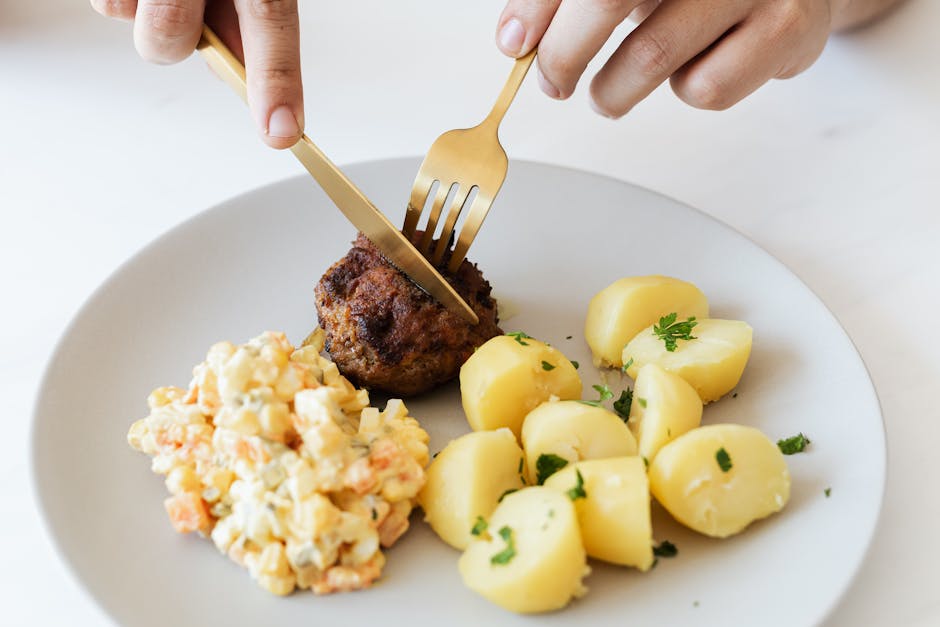
Portion control means choosing how much food you eat at one time. It is not about skipping meals or going hungry. It is about being aware of how much food lands on your plate and in your body. Many people eat more than they realize simply because portions have grown larger over the years. Studies show that the average restaurant meal today is two to five times bigger than it was in the 1950s. When we see a big plate of food, we often eat it all — even if our body did not need that much.
Practicing portion control is one of the most practical tools in managing body weight. It does not require a special diet or expensive foods. It works alongside any eating style, whether you eat low-carb, plant-based, or anything in between. Learning to match how much you eat to what your body actually needs can support healthy weight goals over the long term.
Portion vs. Serving Size: What Is the Difference?
Many people confuse portions and serving sizes, but they are not the same thing. A serving size is a standard amount listed on a food label. It is set by the FDA and gives you a reference point for calories and nutrients. A portion is how much you actually choose to eat. Your portion might be two or three times the labeled serving size — and you might not even notice.
For example, a bag of chips may list a serving size as 1 ounce, which equals about 15 chips. But most people eat far more than 15 chips in one sitting. The same is true for pasta, cereal, and many other foods. Understanding this gap between serving size and actual portion is an important first step. When you start reading food labels and measuring amounts, you often find that what feels like “one serving” to your eyes is really two or three.
Simple Ways to Measure Your Portions
You do not need a food scale or special gadgets to get started. Your own hand is one of the most useful measuring tools you have. A fist is roughly equal to one cup — a good guide for pasta, rice, or vegetables. Your palm is about 3 ounces of protein, such as chicken or fish. A thumb is close to one tablespoon, which works well for measuring nut butter or salad dressing. These are rough guides, but they help you make better choices without weighing every bite.
Using smaller plates and bowls is another helpful trick. Research shows that people tend to eat less when food is served on a smaller plate, even if the food itself is the same. Filling half your plate with vegetables, one quarter with lean protein, and one quarter with whole grains is a simple visual plan called the plate method. This method is widely recommended by dietitians and health professionals because it is easy to remember and does not require counting calories.
- Use measuring cups when you first start out to learn what amounts look like.
- Read food labels to understand serving sizes before pouring or scooping.
- Plate your food rather than eating straight from a bag or box.
- Avoid eating while distracted — screens and phones make it easy to overeat.
- Eat slowly — it takes about 20 minutes for your brain to register that you are full.
Eating Out Without Overdoing It
Restaurant meals are one of the biggest challenges for portion control. Portions at restaurants are often two to four times larger than what most people need at a single meal. Many dishes also contain high amounts of added fat, salt, and sugar that are hard to track. This does not mean you cannot eat out — it just means having a plan before you sit down.
A few easy strategies can help. You can ask for a to-go box at the start of the meal and set half your food aside before you begin eating. You can order an appetizer as your main course, or split an entrée with someone at the table. Choosing dressings and sauces on the side lets you control how much goes on your food. These small choices add up over time and can make a meaningful difference in how much you eat without making meals feel restrictive or stressful.
How Hunger Cues Can Help You Eat the Right Amount
Learning to listen to your body’s hunger and fullness signals is a key part of practicing portion control. This is sometimes called intuitive eating or mindful eating. Before you eat, ask yourself: am I truly hungry, or am I bored, stressed, or just used to eating at this time? During a meal, pause halfway through and check in — do you still feel hungry, or are you starting to feel satisfied?
Eating slowly makes this much easier. When you rush through a meal, your brain does not have time to receive the fullness signals your stomach sends. Research from the National Institutes of Health shows that eating more slowly is linked to lower calorie intake and greater feelings of fullness. Try putting your fork down between bites, chewing thoroughly, and taking a short break midway through your meal. Over time, these habits can help you naturally eat appropriate amounts without strict measuring.
When to Get Professional Help With Portions and Weight
Portion control is a great starting point, but some people benefit from working with a medical professional to build a personalized plan. A licensed clinician can help you understand your calorie needs based on your height, weight, age, and activity level. They can also review any medical conditions that may affect your weight or nutrition needs.
If you live in California or Nevada and want affordable, convenient access to medical weight loss guidance, SendSlim.com offers video and phone visits with licensed clinicians for just $50 per visit — no insurance needed. Getting personalized advice from a real clinician can give you a clear, practical plan that goes beyond general tips.
Putting It All Together
Portion control is a simple but powerful habit. It does not require giving up your favorite foods or following a complicated set of rules. It just asks you to pay attention — to what you eat, how much you eat, and why you eat. Small changes, like using a smaller plate, eating slowly, or boxing up half your restaurant meal, can add up to big results over time.
If you want extra support, speaking with a clinician at SendSlim is a convenient and affordable way to get guidance tailored to your personal health goals. Building awareness around portions is a skill, and like any skill, it gets easier with practice.
References
- Rolls, Barbara J. “What Is the Role of Portion Control in Weight Management?” International Journal of Obesity. 2014.
- Ledikwe, Jenny H., et al. “Portion Sizes and the Obesity Epidemic.” Journal of Nutrition. 2005.
- Andrade, Ana M., et al. “Eating Slowly Led to Decreases in Energy Intake Within Meals in Healthy Women.” Journal of the American Dietetic Association. 2008.
- U.S. Food and Drug Administration. “Serving Sizes and the Nutrition Facts Label.” FDA.gov. 2022.
- National Heart, Lung, and Blood Institute. “Portion Distortion: Do You Know How Food Portions Have Changed in 20 Years?” National Institutes of Health. 2013.
Ready to start your medical weight loss journey?
Talk to a licensed clinician by phone or video — from anywhere in California or Nevada. No waiting room. No insurance needed. Just $50 per visit.
Individual results vary. Medication is only prescribed when clinically appropriate.
- Share
