
Weight Loss Before Surgery: Reducing Surgical Risk
- Home
- Weight Loss Before Surgery: Reducing Surgical Risk
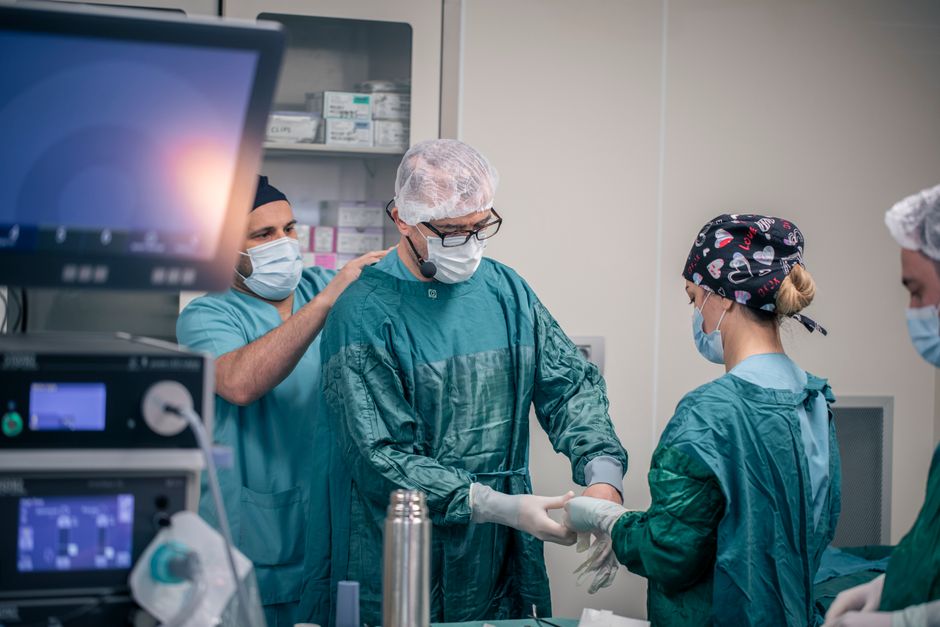
Weight Loss Before Surgery: Reducing Surgical Risk
Why Losing Weight Before Surgery Matters
If your doctor has told you that you need surgery, you may also have heard that losing some weight first could help. This is not just a suggestion — research shows that carrying extra weight can make surgery more difficult and recovery harder. Even losing a small amount of weight before your procedure can make a real difference in how things go.
Surgeons and medical teams look at many factors before operating. Body weight is one of the most important. People with obesity face higher chances of complications during and after surgery. These include problems with anesthesia, infections, blood clots, and slower healing. Understanding why weight matters can help you take steps to protect your health before going under the knife.
This article explains the connection between weight and surgical risk, what kinds of improvements are possible with pre-surgery weight loss, and how to get medical support to help you get there safely.
How Excess Weight Raises Surgical Risk
Extra body weight puts stress on many systems in the body. The heart has to work harder. Breathing can be more difficult. Fat tissue around the organs makes it harder for a surgeon to see and work clearly. All of these things can make a procedure more complicated and increase the time spent in the operating room.
Anesthesia is one specific area of concern. People with higher body weight often need more anesthesia, and the drugs can stay in the body longer. This can make waking up from surgery slower and increase the risk of breathing problems. Sleep apnea, which is more common in people with obesity, adds another layer of risk during anesthesia.
After surgery, wound healing can also be affected. Fatty tissue has a lower blood supply than other tissues. This means less oxygen and fewer nutrients reach the wound, which can slow healing and raise the risk of infection. Blood clots in the legs and lungs, known as deep vein thrombosis and pulmonary embolism, are also more common in people with higher body weight.
What the Research Says About Pre-Surgery Weight Loss
Studies have found that losing weight before surgery — even just 5 to 10 percent of total body weight — can lead to measurable improvements. Blood pressure, blood sugar, and inflammation levels may all improve. These changes can reduce the strain on your heart and other organs during the procedure.
For people scheduled for bariatric surgery specifically, many programs require weight loss before the operation. This is not just about reducing risk. It also helps shrink the liver, which sits close to the stomach and can block the surgical area if it is enlarged from fat storage. A smaller liver makes the surgery safer and faster.
For other types of surgery — including joint replacements, hernia repairs, and abdominal procedures — research also supports pre-operative weight loss as a way to lower complication rates. A review published in the journal Obesity found that patients who lost weight before elective procedures had fewer surgical site infections and shorter hospital stays.
How Much Weight and How Much Time?
There is no single answer for how much weight to lose before surgery. It depends on your starting weight, your overall health, and the type of procedure you are having. Your surgical team will usually give you a specific goal. In general, even modest weight loss — as little as 5 to 10 percent of your current body weight — can bring measurable health benefits.
Time is also a factor. Most pre-surgical weight loss programs run between 4 and 12 weeks. This gives your body enough time to respond to changes in diet and activity. Very rapid weight loss, such as crash dieting, is usually not recommended because it can cause muscle loss and nutritional deficiencies, which can also slow healing.
A safe and steady pace of 1 to 2 pounds per week is generally considered healthy for most people. Working with a licensed medical provider is the best way to create a plan that fits your needs without putting you at risk. A provider can also monitor your progress and adjust your plan if needed as your surgery date approaches.
Safe Ways to Lose Weight Before Surgery
The most effective pre-surgery weight loss plans usually combine changes in eating with increased physical activity. A lower-calorie diet that is still rich in protein, vitamins, and minerals helps preserve muscle while reducing fat. Protein is especially important before surgery because it supports tissue repair during recovery.
Physical activity, even gentle movement like walking, can improve heart and lung function, which are both important during surgery. Your provider can help you figure out what level of activity is safe for you, especially if you have joint problems or other conditions that limit movement.
In some cases, a medical provider may recommend prescription weight loss medications to help you reach your pre-surgery goal. These are prescription drugs, and they are only appropriate for certain patients. A medical evaluation is needed to determine if medication is a good fit. Services like SendSlim offer affordable video and phone visits with licensed clinicians in California and Nevada, making it easy to get that kind of guidance without a long wait for an in-person appointment.
Talking to Your Surgeon and Medical Team
The most important first step is an open conversation with your surgeon. Ask specifically whether weight loss could reduce your risk and what your target weight should be before the procedure. Do not wait for them to bring it up — it is completely appropriate to ask these questions yourself.
You may also want to connect with a primary care provider or a weight management specialist who can support you between surgical appointments. Coordinating care between your surgeon and your weight loss provider helps make sure everyone is working toward the same goal.
If you are looking for a convenient and affordable way to access medical weight loss support, SendSlim.com offers visits for just $50 with no insurance required. Getting a professional plan in place — even a few weeks before your surgery — may help you go into your procedure in better health.
Conclusion
Losing weight before surgery is not about appearance. It is about giving your body the best possible chance to get through the procedure safely and recover well. Even modest weight loss can reduce complications, support healing, and improve your overall outcome. With the right medical support and a realistic plan, this goal is within reach for many people.
References
- Mechanick, Jeffrey I., et al. “Clinical Practice Guidelines for the Perioperative Nutritional, Metabolic, and Nonsurgical Support of the Bariatric Surgery Patient.” Obesity. 2013.
- Mullen, John T., et al. “Relationship Between Body Mass Index and Surgical Site Infections in General Surgical Operations.” JAMA Surgery. 2010.
- Wernicke, Matthew, et al. “Perioperative Risks of Obesity.” Journal of the American College of Surgeons. 2021.
- Dindo, Daniel, et al. “Obesity in General Elective Surgery.” The Lancet. 2003.
- National Institute of Diabetes and Digestive and Kidney Diseases. “Bariatric Surgery.” National Institutes of Health. 2023.
Ready to start your medical weight loss journey?
Talk to a licensed clinician by phone or video — from anywhere in California or Nevada. No waiting room. No insurance needed. Just $50 per visit.
Individual results vary. Medication is only prescribed when clinically appropriate.
- Share
