
Best High Protein Foods for Weight Loss
- Home
- Best High Protein Foods for Weight Loss
Best High Protein Foods for Weight Loss
Why Protein Matters for Weight Loss
When it comes to losing weight, what you eat matters just as much as how much you eat. Protein is one of the most powerful nutrients you can add to your diet. It helps you feel full longer, supports muscle health, and even helps your body burn more calories during digestion. For anyone working toward a healthier weight, eating enough protein every day is a great place to start.
Your body actually uses more energy to break down protein than it does to break down fat or carbohydrates. This is called the thermic effect of food. Studies show that protein can increase the number of calories your body burns by 15 to 30 percent compared to only 5 to 10 percent for carbohydrates. That means choosing protein-rich foods can give your metabolism a small but meaningful boost.
Most adults need somewhere between 0.7 and 1 gram of protein per pound of body weight each day, especially when trying to lose weight. Getting enough protein also helps protect your muscle mass while you are in a calorie deficit. This is important because losing muscle can slow your metabolism over time.
Lean Meats and Poultry
Chicken breast is one of the most popular high-protein foods for good reason. A 3.5-ounce serving of cooked chicken breast has about 31 grams of protein and very little fat. Turkey breast is another excellent choice with a similar protein profile. Both are easy to cook in many different ways, making them simple to include in everyday meals.
Lean cuts of beef, like sirloin or 93% lean ground beef, also provide a solid amount of protein along with important nutrients like iron and zinc. These nutrients support your overall health while you are working toward your weight goals. Just be mindful of portion sizes and cooking methods — grilling, baking, or broiling keeps the calorie count lower than frying.
Pork tenderloin is another underrated option. It is one of the leanest cuts of pork available and offers about 26 grams of protein per 3.5-ounce serving. When trimmed of visible fat, it can be a smart and satisfying addition to a high-protein eating plan.
Fish and Seafood
Fish and seafood are among the best protein sources you can eat. Salmon offers about 25 grams of protein per serving and also provides healthy omega-3 fatty acids. These fats support heart health and may help reduce inflammation in the body. Eating fatty fish like salmon two or more times per week is recommended by many health organizations.
If you want a very lean option, cod, tilapia, and halibut are excellent choices. These white fish are low in fat and calories but still pack a strong protein punch. Canned tuna is also a budget-friendly and convenient option, with about 20 grams of protein per 3-ounce serving. Look for tuna packed in water rather than oil to keep calories lower.
Shrimp is another seafood worth adding to your plate. It is very low in calories — about 84 calories per 3-ounce serving — but provides about 18 grams of protein. Shrimp cooks quickly, making it a great option for fast, healthy meals on busy weeknights.
Eggs and Dairy
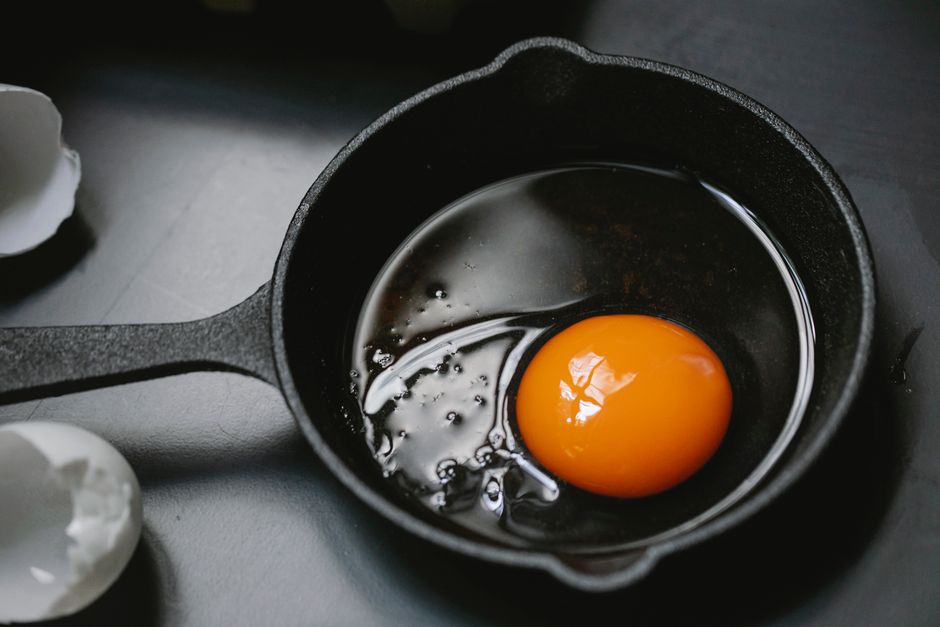
Eggs are one of the most complete protein sources available. One large egg has about 6 grams of protein and contains all nine essential amino acids your body needs. Research has shown that eating eggs for breakfast can help reduce hunger throughout the day, which may support lower calorie intake overall.
Greek yogurt is another powerhouse protein food. A single 7-ounce container of plain, non-fat Greek yogurt can have up to 20 grams of protein. It also contains probiotics, which support gut health. Choose plain varieties over flavored ones to avoid added sugars that can add unnecessary calories.
Cottage cheese is often overlooked but is actually one of the highest-protein dairy options available. Half a cup of low-fat cottage cheese provides around 14 grams of protein. It is also rich in casein protein, which digests slowly. This makes it a great snack before bed to help your body recover and stay satisfied overnight.
Plant-Based Protein Sources
You do not have to eat meat to get enough protein. Many plant-based foods are rich in protein and also provide fiber, which further supports feelings of fullness. Lentils are a great example — one cup of cooked lentils contains about 18 grams of protein along with a high amount of dietary fiber.
Black beans, chickpeas, and edamame are also excellent choices. Edamame, or young soybeans, offers about 17 grams of protein per cooked cup. These foods are also packed with vitamins and minerals that support overall health. Adding a variety of these to your meals throughout the week is a simple and affordable strategy.
Tofu and tempeh are popular plant-based protein options made from soy. Tempeh, in particular, is fermented, which may support digestive health. A 3.5-ounce serving of tempeh has about 19 grams of protein. Both tofu and tempeh absorb flavors well, making them versatile ingredients in many types of cuisine.
Tips for Adding More Protein to Your Day
Small changes can make a big difference. Try starting your morning with eggs or Greek yogurt instead of sugary cereal or pastries. Add a handful of edamame or a scoop of cottage cheese to your lunch. Keep hard-boiled eggs or string cheese on hand as easy snacks throughout the day.
Planning your meals ahead of time helps make sure you are hitting your protein goals without going over your calorie needs. If you are unsure how much protein is right for your body or how to build a healthy eating plan, speaking with a licensed clinician can be very helpful. SendSlim.com offers affordable video and phone visits with licensed providers in California and Nevada for just $50 — no insurance required.
Remember, there is no single perfect diet for everyone. The best approach is one that fits your lifestyle, tastes good, and is something you can stick with over time. A medical professional can help you personalize your nutrition plan to meet your specific goals safely and effectively.
Conclusion
Eating more high-protein foods is one of the most well-supported strategies for supporting a healthy weight. From chicken and salmon to Greek yogurt and lentils, there are plenty of delicious options to choose from no matter your food preferences. By making protein a priority at each meal, you can feel fuller, preserve muscle, and give your metabolism a helpful nudge in the right direction. If you want personalized guidance, services like SendSlim make it easy and affordable to get expert support from a licensed clinician.
References
- Leidy, Heather J., et al. “The Role of Protein in Weight Loss and Maintenance.” The American Journal of Clinical Nutrition. 2015.
- Westerterp-Plantenga, Margriet S., et al. “Dietary Protein — Its Role in Satiety, Energetics, Weight Loss and Health.” British Journal of Nutrition. 2012.
- Paddon-Jones, Douglas, et al. “Protein, Weight Management, and Satiety.” The American Journal of Clinical Nutrition. 2008.
- U.S. Department of Agriculture. “FoodData Central.” USDA Agricultural Research Service. 2023.
- Vander Wal, Jillon S., et al. “Short-Term Effect of Eggs on Satiety in Overweight and Obese Subjects.” Journal of the American College of Nutrition. 2005.
Ready to start your medical weight loss journey?
Talk to a licensed clinician by phone or video — from anywhere in California or Nevada. No waiting room. No insurance needed. Just $50 per visit.
Individual results vary. Medication is only prescribed when clinically appropriate.
- Share
