
Does Eating Fat Make You Fat? The Truth
- Home
- Does Eating Fat Make You Fat? The Truth
Does Eating Fat Make You Fat? The Truth
Introduction: A Question Worth Asking
For decades, fat was treated like the enemy. Low-fat foods filled grocery store shelves. Diet books told people to avoid butter, oil, and anything rich. But today, many people eating high-fat diets are losing weight, while others eating low-fat foods are not. So what is really going on? Does eating fat actually make you fat? The answer is more interesting than you might think.
Understanding how dietary fat works in your body can help you make smarter food choices. The truth is that not all fats are the same, and fat alone is not the simple cause of weight gain that many people believed for years.
What Is Dietary Fat?
Fat is one of three main nutrients your body needs to survive. The other two are protein and carbohydrates. Fat gives your body energy, helps build cells, protects your organs, and allows your body to absorb vitamins like A, D, E, and K. Without any fat in your diet, your body would struggle to function properly.
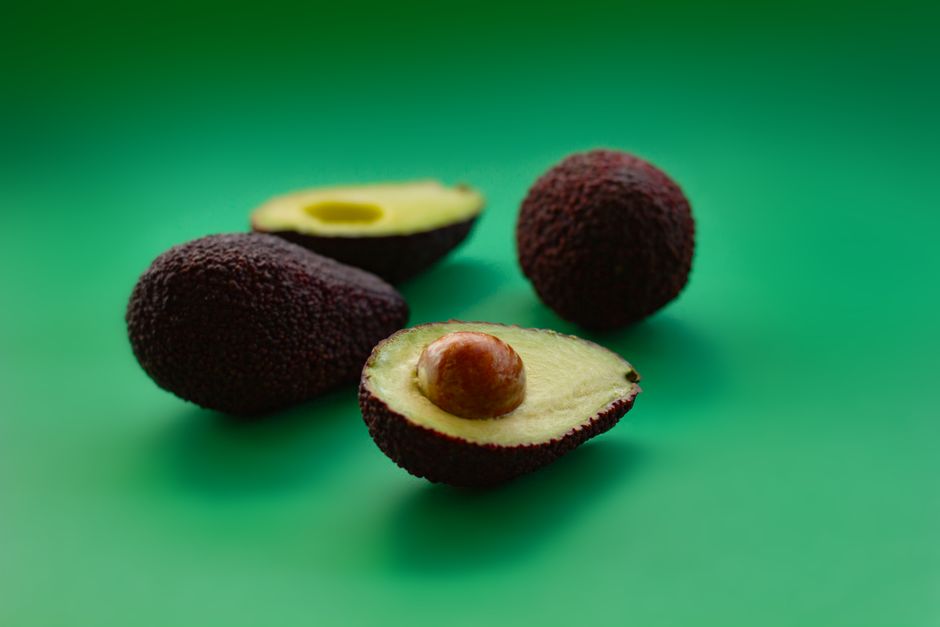
There are several types of dietary fat. Unsaturated fats are found in foods like olive oil, avocados, nuts, and fish. These are generally considered healthy. Saturated fats are found in red meat, butter, and full-fat dairy. Eating too much of these may raise cholesterol for some people. Trans fats, which were once common in processed foods, are now largely banned because of their harm to heart health. Knowing these differences matters when thinking about what to eat.
Why Fat Got Such a Bad Reputation
In the 1970s and 1980s, researchers began linking saturated fat to heart disease. Public health guidelines told Americans to cut fat from their diets. The food industry responded by creating thousands of low-fat and fat-free products. But to make those products taste good, companies often added extra sugar and refined carbohydrates in place of fat.
The result was that many people ate less fat but consumed far more sugar. Over the same time period, obesity rates in the United States climbed sharply. Scientists began to question whether dietary fat was really the main problem. More recent research suggests that excess sugar and refined carbs may play a larger role in weight gain than fat does on its own.
How Weight Gain Actually Works
Weight gain happens when you take in more calories than your body burns over time. This is true no matter where those calories come from — fat, carbohydrates, or protein. Fat does contain more calories per gram than the other two nutrients. Fat has 9 calories per gram, while protein and carbohydrates each have 4 calories per gram. This means that high-fat foods can add up in calories quickly if you eat large amounts.
However, fat also tends to make you feel full and satisfied. Foods rich in fat and protein often slow digestion and reduce hunger hormones, which can naturally lead to eating less overall. Some research shows that people on higher-fat, lower-carbohydrate diets consume fewer total calories without trying to restrict their intake. This is one reason why diets like the Mediterranean diet and low-carb diets have been effective for many people.
The key point is this: no single nutrient causes weight gain on its own. Total calorie intake, food quality, physical activity, sleep, stress, and hormones all play important roles in your body weight.
Healthy Fats vs. Unhealthy Fats
Not all fats affect your body the same way. Omega-3 fatty acids, found in fatty fish like salmon, walnuts, and flaxseed, are linked to lower inflammation and better heart health. Monounsaturated fats, found in olive oil and avocados, have been associated with improved cholesterol levels and reduced risk of heart disease when eaten as part of a balanced diet.
On the other hand, eating large amounts of saturated fat from processed meats and fried foods, combined with a high-calorie diet overall, has been linked to negative health outcomes over time. Trans fats, found in some packaged snacks and margarine, are considered harmful and should be avoided when possible. The quality of the fat you eat matters, not just the quantity.
- Choose more often: olive oil, avocados, nuts, seeds, fatty fish
- Eat in moderation: butter, cheese, full-fat dairy, lean red meat
- Limit or avoid: fried fast food, processed snack foods, anything with partially hydrogenated oils
What the Research Actually Shows
Large studies have compared low-fat diets to other eating patterns and found that low-fat diets are not clearly superior for long-term weight loss. A major study published in JAMA found that low-fat and low-carbohydrate diets produced similar weight loss results over 12 months. What mattered more was whether people could stick to the diet long-term and whether the foods they ate were whole and minimally processed.
Research also shows that the Mediterranean diet, which is relatively high in healthy fats from olive oil and fish, is one of the most well-studied eating patterns for both weight management and overall health. This further supports the idea that healthy fats can be part of a balanced approach to eating without causing weight gain on their own.
Getting Help With Your Weight Loss Journey
Understanding nutrition can feel overwhelming, especially with so much conflicting information out there. Working with a licensed medical professional can help you cut through the confusion and build a plan that works for your body and your goals. If you are in California or Nevada, SendSlim.com offers convenient video and phone visits with licensed clinicians for just $50 per visit — no insurance required.
A clinician can help you understand how your diet, hormones, and lifestyle all connect when it comes to managing your weight. Getting personalized guidance is often far more effective than trying to navigate general advice on your own. SendSlim makes it easy to get started from the comfort of your home.
Conclusion
Eating fat does not automatically make you fat. What matters most is the total amount of calories you eat, the quality of the foods you choose, and how those foods fit into your overall lifestyle. Healthy fats from whole food sources can actually support your efforts to feel full, eat less, and stay nourished. The goal is not to fear any single nutrient, but to build a balanced, sustainable way of eating that works for you.
References
- Gardner, Christopher D., et al. “Effect of Low-Fat vs Low-Carbohydrate Diet on 12-Month Weight Loss in Overweight Adults.” JAMA. 2018.
- Sacks, Frank M., et al. “Dietary Fats and Cardiovascular Disease: A Presidential Advisory From the American Heart Association.” Circulation. 2017.
- Mozaffarian, Dariush. “Dietary and Policy Priorities for Cardiovascular Disease, Diabetes, and Obesity.” Circulation. 2016.
- U.S. Department of Agriculture and U.S. Department of Health and Human Services. “Dietary Guidelines for Americans, 2020–2025.” USDA. 2020.
- Schwingshackl, Lukas, and Georg Hoffmann. “Comparison of Effects of Long-Term Low-Fat vs High-Fat Diets on Blood Lipid Levels in Overweight or Obese Patients.” Journal of the Academy of Nutrition and Dietetics. 2013.
Ready to start your medical weight loss journey?
Talk to a licensed clinician by phone or video — from anywhere in California or Nevada. No waiting room. No insurance needed. Just $50 per visit.
Individual results vary. Medication is only prescribed when clinically appropriate.
- Share
