
How Telehealth Medical Weight Loss Programs Work
- Home
- How Telehealth Medical Weight Loss Programs Work
How Telehealth Medical Weight Loss Programs Work
What Is Telehealth Medical Weight Loss?
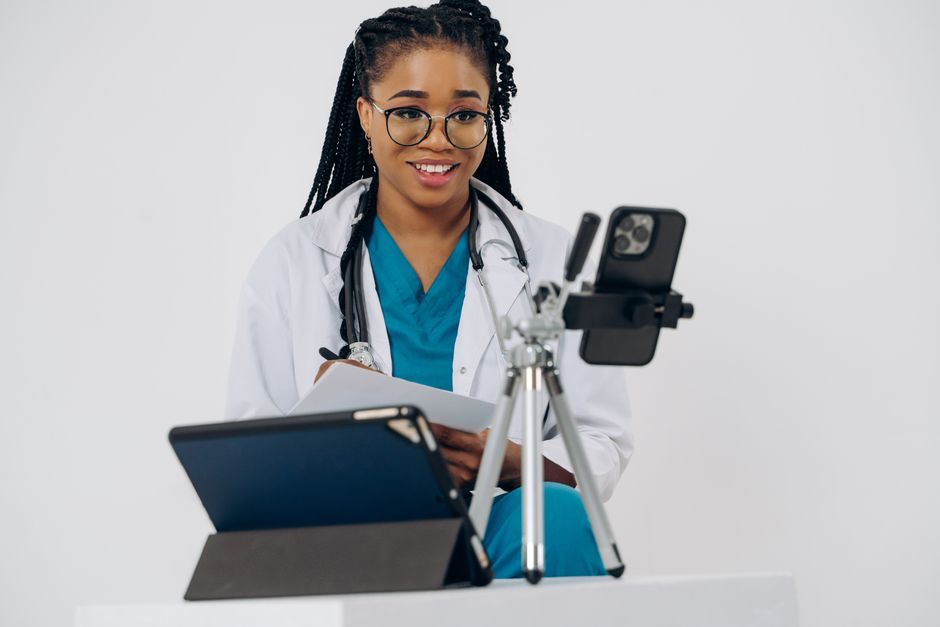
Telehealth medical weight loss is a way to get real medical help for managing your weight — without going to a doctor’s office in person. Instead, you meet with a licensed clinician through a video call or phone call. They review your health history, talk about your goals, and help create a plan that fits your needs. This kind of care has grown a lot in recent years, making it easier for people to get support from home.
Unlike diet apps or online programs that give general advice, telehealth weight loss programs connect you with actual medical professionals. These may include doctors, nurse practitioners, or physician assistants. They can review your full health picture, discuss medications if appropriate, and follow your progress over time. This is personalized medical care delivered in a more convenient way.
Telehealth weight loss programs are not a one-size-fits-all solution. Every person’s body, lifestyle, and health history is different. A good telehealth program takes those differences seriously and builds a plan around them.
What Happens During Your First Visit
Your first telehealth visit usually starts with a health intake process. You may fill out forms online about your medical history, current medications, past weight loss attempts, and any health conditions. This helps the clinician prepare before your appointment even begins. The more honest and complete your answers are, the better the care you can receive.
During the video or phone visit, the clinician will talk with you about your weight history and what has or has not worked in the past. They may ask about your diet, activity level, sleep, and stress. They are looking at the full picture of your health, not just a number on the scale. Some programs may also ask you to get lab work done before or after your first visit.
At the end of your first visit, the clinician will discuss what options may be right for you. This could include nutrition guidance, behavioral strategies, prescription medications, or a combination of approaches. You will have a chance to ask questions and make decisions together with your provider.
Medications Used in Medical Weight Loss
One major advantage of working with a medical provider is access to FDA-approved prescription medications that may support weight management. These are not over-the-counter supplements. They are medications that have been tested in clinical trials and approved by the FDA for use in adults who meet certain criteria. Your clinician will evaluate whether a medication is appropriate for you based on your health history.
Some commonly prescribed medications work by reducing appetite or helping you feel full sooner. Others work by affecting how the body processes blood sugar, which can also influence body weight. A well-known class of medications called GLP-1 receptor agonists — which includes drugs like semaglutide — has shown meaningful results in clinical research when combined with lifestyle changes.
Medications are not appropriate for everyone. Your clinician will weigh the potential benefits against any risks based on your personal health profile. Prescription weight loss medications are intended to be used alongside — not instead of — healthy eating and physical activity.
The Role of Lifestyle Changes
Even in medical weight loss programs, lifestyle changes remain a key part of the approach. Research consistently shows that long-term success depends on changes to eating habits and physical activity. A medical provider can help guide those changes in ways that are realistic and safe for your specific situation.
Nutritional guidance in these programs is usually practical and evidence-based. Rather than promoting extreme diets, most clinicians focus on sustainable changes like increasing vegetables and protein, reducing ultra-processed foods, and managing portion sizes. Small, consistent changes tend to be more lasting than dramatic short-term restrictions.
Physical activity recommendations are also tailored to the individual. Someone who is just starting out may be advised to begin with short daily walks. Someone more physically active may get different guidance. The goal is to build habits that can be maintained over the long term, not just during the program.
How Follow-Up Visits Work
Follow-up visits are an important part of any medical weight loss program. They give your clinician a chance to see how you are doing, adjust your plan if needed, and address any side effects if you are on medication. These check-ins also help you stay accountable and motivated over time.
In telehealth programs, follow-up visits happen the same way your first visit did — by video or phone. This makes it much easier to keep appointments, even with a busy schedule. You do not need to take time off work or find childcare to see your provider. Many people find this convenience makes them more likely to stick with their care plan.
Programs like SendSlim offer video and phone visits with licensed clinicians in California and Nevada for just $50 per visit, with no insurance required. This affordable, flexible model makes ongoing medical support accessible to more people who are looking for real, professional guidance.
Who Is a Good Candidate for Telehealth Weight Loss?
Telehealth medical weight loss may be a good fit for adults who are looking for professional guidance but find it hard to get to in-person appointments. It can also work well for people who have tried on their own and want a more structured, medically supervised approach. Convenience, privacy, and affordability are common reasons people choose this option.
Most programs have basic eligibility criteria. Clinicians typically look at your body mass index (BMI) along with your overall health history to determine what level of care is appropriate. Some medical conditions may affect which options are available to you, which is why a personalized evaluation is so important.
If you live in California or Nevada and are curious about your options, SendSlim makes it simple to get started with a licensed clinician. You can find out whether medical weight loss support is right for your situation without the barriers of long wait times or high costs.
Putting It All Together
Telehealth medical weight loss programs combine the convenience of technology with the expertise of licensed medical professionals. They offer personalized care, potential access to FDA-approved medications, and ongoing support — all from the comfort of your own home. For many people, this approach removes some of the biggest obstacles to getting started with professional weight management care.
Understanding how these programs work can help you make an informed decision about whether this type of support is right for you. Working with a clinician who knows your full health picture is a meaningful step toward a more thoughtful, science-based approach to weight management.
References
- Wilding, John P.H. et al. “Once-Weekly Semaglutide in Adults with Overweight or Obesity.” New England Journal of Medicine. 2021.
- Wadden, Thomas A. et al. “Lifestyle Modification for Obesity: New Developments in Diet, Physical Activity, and Behavior Therapy.” Circulation. 2012.
- Khera, Rohan et al. “Association of Pharmacological Treatments for Obesity with Weight Loss and Adverse Events.” JAMA. 2016.
- Gajarawala, Samantha N. and Pelkowski, Janet N. “Telehealth Benefits and Barriers.” Journal for Nurse Practitioners. 2021.
- National Institute of Diabetes and Digestive and Kidney Diseases. “Prescription Medications to Treat Overweight and Obesity.” National Institutes of Health. 2023.
Ready to start your medical weight loss journey?
Talk to a licensed clinician by phone or video — from anywhere in California or Nevada. No waiting room. No insurance needed. Just $50 per visit.
Individual results vary. Medication is only prescribed when clinically appropriate.
- Share
