
Polyphenols & Weight Loss: How They Help You Slim Down
- Home
- Polyphenols & Weight Loss: How They Help You Slim Down
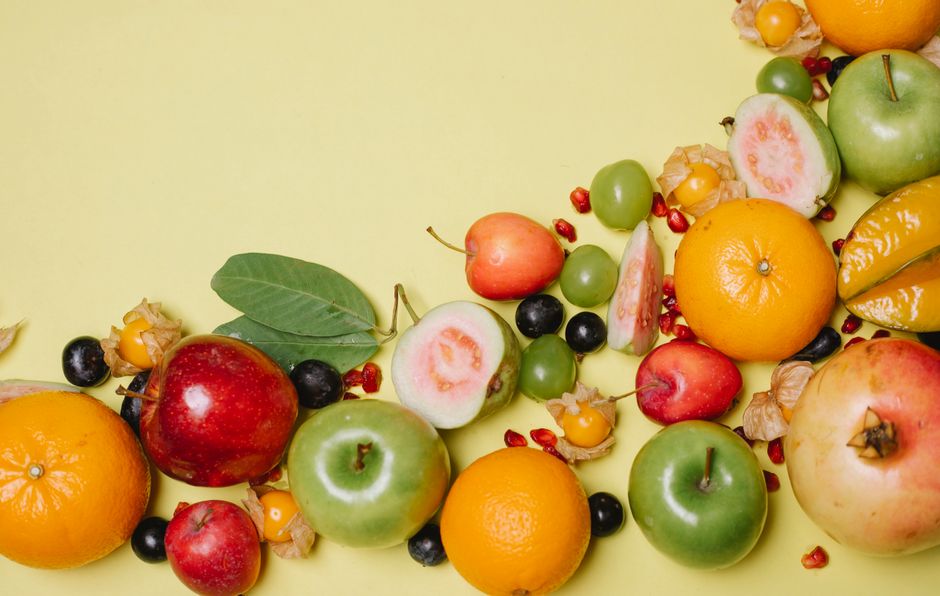
Polyphenols & Weight Loss: How They Help You Slim Down
What Are Polyphenols?
You may have heard that eating more fruits and vegetables is good for your health. One big reason for that is polyphenols. Polyphenols are natural chemicals found in plants. They give fruits, vegetables, teas, and other foods their color and flavor. There are more than 8,000 types of polyphenols found in nature. Some common ones include flavonoids, resveratrol, curcumin, and catechins.
Plants make polyphenols to protect themselves from the sun, insects, and disease. When you eat plant-based foods, your body gets to use these powerful compounds too. Scientists have studied polyphenols for many years and found that they may support many areas of health — including helping the body manage weight more effectively.
Polyphenols work as antioxidants. That means they help protect your cells from damage caused by harmful molecules called free radicals. Less cell damage means your body can work better overall, which may also support healthy metabolism and energy use.
How Polyphenols May Support Weight Management
Research suggests that polyphenols may help with weight management in several ways. One key way is by affecting how your body stores and burns fat. Some polyphenols, like the catechins found in green tea, have been shown to increase the rate at which your body burns calories. This process is called thermogenesis. A faster metabolic rate means your body uses more energy throughout the day.
Polyphenols may also help slow down how quickly your body digests carbohydrates and fats. When digestion slows, your blood sugar levels rise more gradually after a meal. This can help reduce hunger and prevent the energy crashes that often lead to overeating. Foods high in polyphenols tend to be fiber-rich too, which adds to the feeling of fullness.
Some research also points to the role polyphenols play in reducing inflammation. Chronic low-grade inflammation in the body is linked to weight gain and difficulty losing weight. By lowering inflammation, polyphenols may create a better environment inside the body for healthy weight management to occur.
Top Foods Rich in Polyphenols
The good news is that polyphenols are found in many delicious, everyday foods. You do not need expensive supplements to get them. Some of the richest sources include berries like blueberries, strawberries, and blackberries. Dark chocolate, red wine (in small amounts), and olive oil are also high in polyphenols. Cloves and dried herbs like oregano and rosemary are actually among the most concentrated sources per gram.
Beverages are another great source. Green tea is one of the most studied polyphenol-rich drinks, packed with catechins. Black tea, coffee, and even apple cider have meaningful amounts of polyphenols. These drinks can be easy additions to a daily routine without a lot of effort or cost.
Vegetables like artichokes, red onions, and spinach also provide polyphenols. So do legumes like black beans and soybeans. Eating a wide variety of colorful plant foods each day is the best strategy for getting a broad mix of different polyphenols that may each offer unique benefits.
What the Research Says
Several scientific studies have looked at polyphenols and body weight. A review published in the journal Nutrients found that certain polyphenols — especially those from green tea, berries, and grapes — were associated with reductions in body fat, body weight, and waist circumference in multiple human trials. However, the effects were generally modest and worked best when combined with a healthy diet and physical activity.
Research on resveratrol, a polyphenol found in red grapes and berries, suggests it may activate certain genes that support fat metabolism and energy balance. Studies on curcumin, the polyphenol found in turmeric, show it may help reduce fat tissue growth and lower markers of inflammation. Both compounds are still being actively studied, and more research is needed to fully understand their effects in humans.
It is important to note that no single food or compound alone leads to significant weight loss. Polyphenols are best seen as one helpful piece of a larger puzzle that includes balanced eating, regular movement, good sleep, and stress management. They are a supportive tool, not a magic solution.
Polyphenols and Gut Health
One exciting area of research involves how polyphenols interact with your gut microbiome — the trillions of bacteria that live in your digestive system. Studies show that polyphenols can act as prebiotics, feeding the good bacteria in your gut. A healthy gut microbiome has been linked to better weight regulation, improved digestion, and lower levels of inflammation.
When gut bacteria break down polyphenols, they create smaller compounds called metabolites. These metabolites may have their own health benefits beyond those of the original polyphenol. This means that the actual effect of eating polyphenol-rich foods depends partly on the unique mix of bacteria in your own gut.
Because everyone’s gut microbiome is slightly different, people may respond to polyphenol-rich foods in different ways. This is one reason why personalized guidance from a clinician can be very helpful when building a diet plan focused on weight management.
Adding Polyphenols to a Healthy Weight Plan
Adding more polyphenol-rich foods to your diet is a straightforward and safe step for most people. Start small by swapping processed snacks for fresh berries, adding a cup of green tea to your morning routine, or sprinkling turmeric into soups and stews. These small changes can add up over time and support your overall health goals.
If you are working on managing your weight and want professional support, services like SendSlim make it easy to connect with a licensed clinician from home. SendSlim offers video and phone visits for just $50 — no insurance required — serving patients across California and Nevada. A clinician can help you build a plan that combines nutrition strategies, polyphenol-rich eating habits, and medical guidance tailored to your needs.
Remember, sustainable weight management takes time and a whole-body approach. Polyphenols from real, whole foods are a smart and evidence-supported part of that journey. Talk to a healthcare provider to see how they can fit into a plan that works best for you.
Conclusion
Polyphenols are powerful natural compounds found in fruits, vegetables, teas, and other plant foods. Research suggests they may support weight management by boosting metabolism, reducing inflammation, slowing digestion, and promoting a healthy gut. While they are not a replacement for a complete healthy lifestyle, they are a valuable and accessible tool. Filling your plate with colorful, polyphenol-rich foods is a simple step anyone can take toward better health.
References
- Grosso, Giuseppe et al. “Dietary Polyphenol Intake and Risk of Type 2 Diabetes in the Polish Arm of the Health, Alcohol and Psychosocial Factors in Eastern Europe (HAPIEE) Study.” Nutrients. 2017.
- Manach, Claudine et al. “Polyphenols: Food Sources and Bioavailability.” American Journal of Clinical Nutrition. 2004.
- Tsuda, Takanori. “Dietary Anthocyanin-Rich Plants: Biochemical Basis and Recent Progress in Health Benefits Studies.” Molecular Nutrition & Food Research. 2012.
- Hursel, R. and Westerterp-Plantenga, M.S. “Catechin- and Caffeine-Rich Teas for Control of Body Weight in Humans.” American Journal of Clinical Nutrition. 2013.
- Koutnikova, Hana et al. “Impact of Polyphenols on Gut Microbiota and Metabolic Syndrome.” BMJ Open. 2019.
Ready to start your medical weight loss journey?
Talk to a licensed clinician by phone or video — from anywhere in California or Nevada. No waiting room. No insurance needed. Just $50 per visit.
Individual results vary. Medication is only prescribed when clinically appropriate.
- Share
