
Telehealth vs In-Person Weight Loss: What Works Best
- Home
- Telehealth vs In-Person Weight Loss: What Works Best
Telehealth vs In-Person Weight Loss: What Works Best
Getting Weight Loss Help Has Never Had More Options
Not long ago, if you wanted medical help losing weight, you had to drive to a doctor’s office, sit in a waiting room, and hope your insurance covered the visit. Today, things look very different. You can now meet with a licensed clinician from your couch, your car, or your lunch break. But does telehealth actually work for weight loss? Or is in-person care still the gold standard? The answer may surprise you.
This article breaks down what the research says about both options, so you can make a smart choice for your health and your lifestyle.
What Is Telehealth Weight Loss Care?
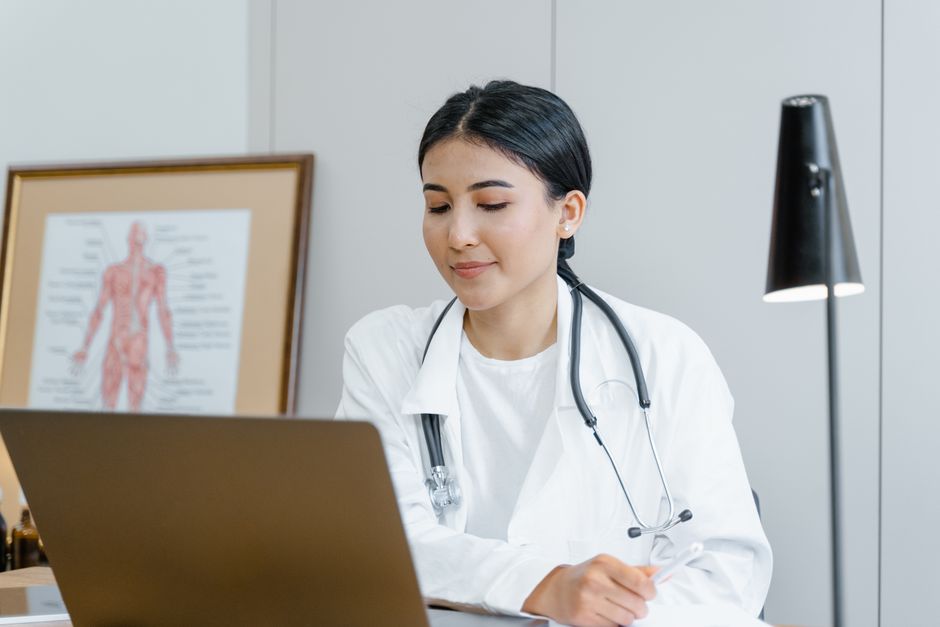
Telehealth means getting medical care over the phone or through a video call. Instead of going to a clinic, you talk to a licensed doctor, nurse practitioner, or other clinician using your phone or computer. They can review your health history, talk about your goals, recommend treatments, and even prescribe medication if it is right for you.
Telehealth weight loss programs often include regular check-ins, personalized plans, and access to prescription treatments like GLP-1 medications. Some programs also offer nutrition coaching, behavioral support, and lab work coordination. The care is real, just delivered in a different way.
Services like SendSlim make this easy and affordable. SendSlim offers video and phone visits with licensed clinicians for just $50 per visit, with no insurance needed, serving patients in California and Nevada.
What Does In-Person Weight Loss Care Look Like?
In-person care usually means visiting a doctor’s office, a weight loss clinic, or a hospital-based program. Your clinician can do a physical exam, order blood work on the spot, and sometimes connect you with a dietitian or behaviorist in the same building. Some people find comfort in face-to-face interactions and feel more accountable when they meet someone in person.
Traditional in-person programs can be very effective, especially for people who need close monitoring for complex medical conditions. However, they often come with longer wait times, higher costs, and the need to take time off work or arrange childcare. For many people, these barriers make it hard to stay consistent with appointments.
Cost is also a major issue. Without insurance, a single visit to a weight loss specialist can cost several hundred dollars. Even with insurance, many people face high copays or find that weight loss services are not fully covered.
What Does the Research Say?
Several studies have looked at whether telehealth produces real weight loss results compared to in-person care. The findings are encouraging for telehealth. A large review published in the journal Obesity found that remote weight loss interventions, including video visits and digital coaching, produced similar outcomes to in-person programs over six to twelve months.
Another study published in JAMA Internal Medicine found that patients in phone-based and video-based behavioral weight loss programs lost meaningful amounts of weight and kept it off at rates comparable to those in clinic-based programs. Researchers noted that telehealth made it easier for patients to stay engaged because there were fewer barriers to attending appointments.
The evidence strongly suggests that the type of support you get matters more than where you get it. Consistent contact with a qualified clinician, personalized guidance, and access to proven treatments appear to be the key ingredients, whether those happen in a clinic or on a screen.
When In-Person Care May Be the Better Choice
Telehealth is not the right fit for everyone. If you have complex medical issues that require hands-on evaluation, in-person care may be necessary. For example, if your clinician needs to check for certain physical conditions, run specialized tests, or monitor your heart closely, being in the room matters.
Some people also simply prefer seeing someone face to face. That human connection can feel more motivating and reassuring. If you thrive with in-person accountability, a local clinic or physician’s office might suit your personality and needs better.
In some cases, a combination approach works best. You might start with an in-person visit to rule out underlying conditions and then continue your weight loss journey through telehealth for convenience and ongoing support.
Why Telehealth Works Well for Most Weight Loss Patients
For the majority of people seeking help with weight, telehealth is not just convenient — it is genuinely effective. Research shows that removing barriers to care leads to better follow-through. When you do not have to drive across town or take a half day off work, you are much more likely to show up for your appointments and stay consistent with your plan.
Telehealth also tends to reduce the anxiety that some people feel about going to a doctor’s office to discuss their weight. Having that conversation from a private, familiar space can make it easier to be open and honest with your clinician. This honesty helps your provider give you better, more personalized guidance.
Prescription medications for weight loss, such as GLP-1 receptor agonists, can be evaluated and managed through telehealth in most states. A licensed clinician can review your health history, discuss your options, and coordinate care — all without you leaving home. SendSlim offers exactly this kind of straightforward access for residents of California and Nevada.
How to Choose What Is Right for You
Choosing between telehealth and in-person care comes down to your individual health situation, lifestyle, and personal preferences. Start by asking yourself a few questions. Do you have any complex medical conditions that need close monitoring? Do you have reliable internet or phone access? How important is the convenience of care from home?
If you are generally healthy, motivated to make changes, and looking for medical guidance with your weight loss plan, telehealth is likely a strong fit. If you need more intensive medical monitoring or prefer face-to-face visits, in-person care or a hybrid approach may serve you better.
Whatever you choose, the most important step is to get started. Working with a qualified clinician — in any format — gives you access to evidence-based tools, expert guidance, and a plan built around your unique needs.
The Bottom Line
Both telehealth and in-person weight loss care can be effective. Research shows that outcomes are often similar, and telehealth has the added benefit of being more accessible and easier to stick with over time. For many people, the biggest obstacle to losing weight is not knowing where to start. Having a licensed clinician in your corner — whether on a screen or across a desk — makes a real difference.
If you are in California or Nevada and want to explore your options, a simple phone or video visit with a licensed clinician is a great first step. The key is consistent, medically guided support.
References
- Appel, Lawrence J. et al. “Comparative Effectiveness of Weight-Loss Interventions in Clinical Practice.” New England Journal of Medicine. 2011.
- Sherwood, Nancy E. et al. “Telephone-Delivered Behavioral Obesity Treatment: A Randomized Controlled Trial.” JAMA Internal Medicine. 2011.
- Hutchesson, Melinda J. et al. “eHealth Interventions for the Prevention and Treatment of Overweight and Obesity in Adults: A Systematic Review.” Obesity Reviews. 2015.
- Pagoto, Sherry, and Bonnie Spring. “Evidence-Based Weight Loss Interventions: Individualized Treatment Options to Maximize Patient Outcomes.” Diabetes, Obesity and Metabolism. 2013.
- National Institute of Diabetes and Digestive and Kidney Diseases. “Health Risks of Overweight and Obesity.” National Institutes of Health. 2023.
Ready to start your medical weight loss journey?
Talk to a licensed clinician by phone or video — from anywhere in California or Nevada. No waiting room. No insurance needed. Just $50 per visit.
Individual results vary. Medication is only prescribed when clinically appropriate.
- Share
