
Weight Loss Supplements: Do They Really Work?
- Home
- Weight Loss Supplements: Do They Really Work?
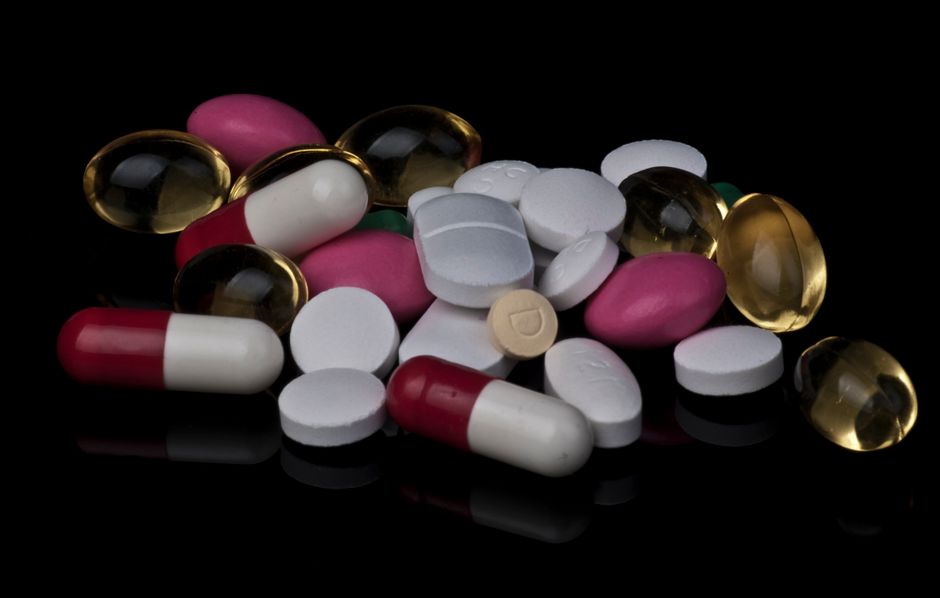
Weight Loss Supplements: Do They Really Work?
The Truth About Weight Loss Supplements
Walk into any pharmacy or scroll through social media, and you will find hundreds of products promising fast, easy weight loss. Pills, powders, teas, and capsules all claim to burn fat, boost metabolism, or block calories. But do any of them actually work? The honest answer is more complicated than most advertisements let on. Understanding what the science really says can help you make safer, smarter choices for your health.
Weight loss supplements are used by millions of Americans every year. The global supplement industry is worth tens of billions of dollars. Despite their popularity, most of these products have very little scientific evidence behind them. Some may offer small benefits, and some carry real risks. Knowing the difference matters.
What Are Weight Loss Supplements?
Weight loss supplements are products taken by mouth that are meant to help people lose weight. They come in many forms, including pills, capsules, gummies, powders, and liquids. Common ingredients include caffeine, green tea extract, garcinia cambogia, glucomannan, conjugated linoleic acid (CLA), and raspberry ketones, among many others.
In the United States, supplements are regulated differently than prescription medications. The Food and Drug Administration (FDA) does not have to approve a supplement before it goes on sale. Manufacturers are responsible for making sure their products are safe, but the FDA only steps in if a product is found to be harmful after it is already on the market. This means that many supplements reach store shelves without strong proof that they work or that they are completely safe.
What Does the Research Actually Show?
Most weight loss supplements have been studied only in small groups of people for short periods of time. The results are often modest at best. For example, some studies suggest that caffeine may slightly increase the number of calories your body burns, but the effect is small and fades over time as your body adjusts. Green tea extract has also been studied, with some research showing a very minor boost to metabolism, but not enough to cause meaningful weight loss on its own.
Glucomannan, a type of fiber, has shown some promise in a few studies by helping people feel fuller. However, results are mixed, and the weight loss seen in studies is still relatively small. Garcinia cambogia, one of the most heavily marketed supplements of the past decade, has not performed well in rigorous clinical trials. A review published in the Journal of Obesity found that while some studies showed small short-term effects, the difference compared to a placebo was not clinically significant for most people.
It is also important to understand that many supplement studies are funded by the companies that sell them. Independent, high-quality research on supplements is much less common. When independent researchers study these products, the results are often far less impressive.
Are Weight Loss Supplements Safe?
Safety is a real concern with many supplements. Because the FDA does not test these products before they are sold, some have been found to contain hidden ingredients, including prescription drugs, stimulants, or substances that are banned in other countries. The FDA has issued warnings about hundreds of weight loss supplements over the years for this reason.
Common side effects from popular supplement ingredients include increased heart rate, high blood pressure, headaches, digestive problems, and difficulty sleeping. Some products containing stimulants like ephedra were pulled from the market after being linked to serious cardiovascular events. Even ingredients that seem natural can interact with medications or cause harm in people with certain health conditions.
People who are pregnant, nursing, have heart disease, high blood pressure, diabetes, or take prescription medications should be especially careful. Always talk with a licensed healthcare provider before starting any supplement.
What Actually Works for Weight Loss?
The approaches backed by the strongest scientific evidence are not found in a pill bottle. A moderate reduction in calories, combined with regular physical activity, remains the foundation of effective, sustainable weight management. The Centers for Disease Control and Prevention (CDC) and most major health organizations recommend gradual, steady weight loss through lifestyle changes rather than relying on supplements.
For some people, prescription medications approved by the FDA may be an appropriate option. These medications, including newer options like GLP-1 receptor agonists, have been through rigorous clinical trials proving both their safety and effectiveness. They are available only through licensed medical providers and are used alongside dietary and lifestyle changes, not instead of them.
If you are looking for real guidance tailored to your situation, speaking with a medical provider is the most reliable step you can take. Services like SendSlim make it easy to connect with licensed clinicians through a video or phone visit for just $50, with no insurance required, serving patients in California and Nevada.
How to Spot a Misleading Supplement Claim
Learning to recognize red flags can protect you from wasting money or putting your health at risk. Be cautious of any product that promises rapid or dramatic weight loss with no changes to diet or exercise. Claims like “clinically proven,” “scientifically tested,” or “doctor approved” are often used loosely and may not reflect real evidence.
- Watch out for products that use the word “guarantee” around weight loss results
- Be skeptical of testimonials and before-and-after stories as proof that a product works
- Avoid products that claim to be a substitute for healthy eating or physical activity
- Check if the product has been reviewed or warned about by the FDA at fda.gov
- Look for supplements that have been independently tested by organizations like USP or NSF International
If a product sounds too good to be true, it almost certainly is. No supplement has ever been shown to produce significant, lasting weight loss on its own.
Making a Plan That Actually Helps You
The best weight loss plan is one that is realistic, safe, and built around your personal health needs. Rather than spending money on unproven supplements, consider investing that time and energy into building sustainable habits. Small, consistent changes to what you eat and how much you move add up significantly over time.
Working with a healthcare provider allows you to explore all of your options, including whether FDA-approved medications might be right for you, and to receive guidance that is based on your full health picture. SendSlim offers affordable, convenient medical weight loss visits with licensed providers who can help you understand your options without the pressure of a traditional clinic setting.
References
- Onakpoya, Igho, et al. “The Use of Garcinia Extract (Hydroxycitric Acid) as a Weight Loss Supplement: A Systematic Review and Meta-Analysis of Randomised Clinical Trials.” Journal of Obesity. 2011.
- National Institutes of Health Office of Dietary Supplements. “Dietary Supplements for Weight Loss: Fact Sheet for Health Professionals.” National Institutes of Health. 2023.
- Centers for Disease Control and Prevention. “Losing Weight: What Is Healthy Weight Loss?” CDC.gov. 2023.
- Pittler, M.H., and Ernst, E. “Dietary Supplements for Body-Weight Reduction: A Systematic Review.” American Journal of Clinical Nutrition. 2004.
- U.S. Food and Drug Administration. “Beware of Fraudulent Dietary Supplements.” FDA.gov. 2022.
Ready to start your medical weight loss journey?
Talk to a licensed clinician by phone or video — from anywhere in California or Nevada. No waiting room. No insurance needed. Just $50 per visit.
Individual results vary. Medication is only prescribed when clinically appropriate.
- Share
