
What to Bring to a Telehealth Weight Loss Visit
- Home
- What to Bring to a Telehealth Weight Loss Visit
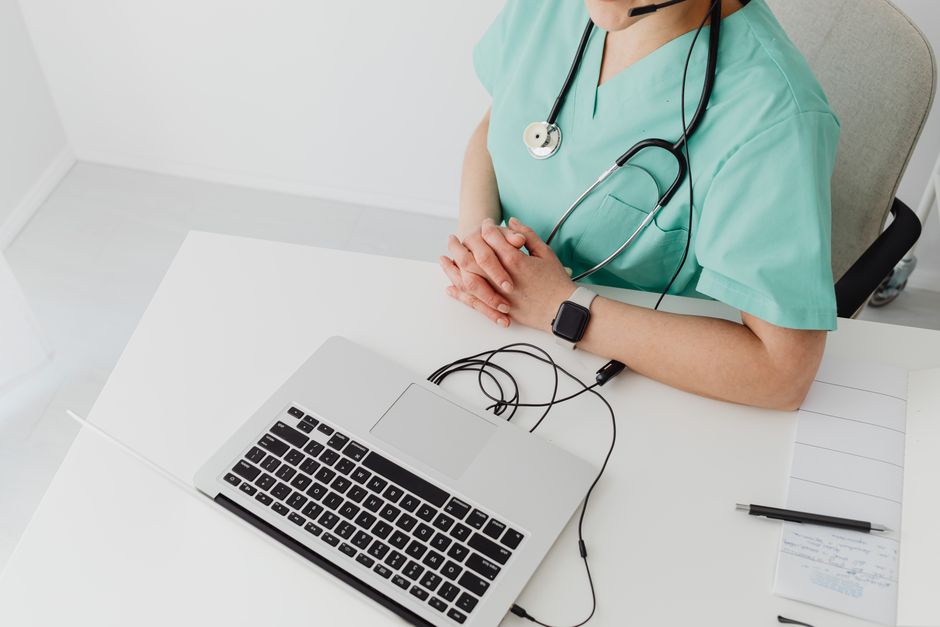
What to Bring to a Telehealth Weight Loss Visit
Getting Ready for Your Telehealth Weight Loss Visit
Telehealth visits make it easier than ever to get medical help for weight loss. You can talk to a licensed clinician from your home, your car, or anywhere with a good internet connection. But just like an in-person doctor visit, a little preparation goes a long way. Knowing what to bring and what to expect helps you get the most out of every minute with your provider.
Whether this is your first telehealth visit or a follow-up, being organized makes the conversation smoother and more productive. Your clinician will want to learn about your health history, your current habits, and your goals. The more information you have ready, the better your provider can guide you toward a safe and personalized plan.
Your Basic Health Information
Start by gathering your basic health details. This includes your current weight, your height, and your age. If you have a scale at home, weigh yourself the morning of your visit — ideally without shoes and in light clothing. Write the number down so you do not have to remember it during the call.
You should also know your general medical history. This means any health conditions you have been told you have, such as high blood pressure, type 2 diabetes, thyroid problems, or sleep apnea. Your clinician needs this information because some weight loss treatments may not be right for everyone. Being upfront about your health history helps your provider make safe choices for you.
If you have had any recent lab work or blood tests, have those results available if possible. You do not need to have perfect records, but recent bloodwork can give your provider a helpful starting point. Some clinicians may recommend labs as part of your care plan after the visit.
A List of Your Current Medications and Supplements
Bring a complete list of everything you take. This includes prescription medications, over-the-counter drugs, vitamins, and supplements. Some medications can interact with weight loss treatments, so your clinician needs to know the full picture. Write down the name of each item and the dose if you know it.
Do not leave anything off the list because you think it is not important. Even common supplements like fish oil, vitamin D, or herbal teas can be relevant. Your provider is not there to judge you — they just need accurate information to keep you safe and make the best recommendations.
If you are not sure about the exact names or doses of your medications, gather the bottles and keep them nearby during your visit. You can simply read the label if your provider asks. This small step can save time and prevent confusion.
Your Diet and Activity History
Your clinician will likely ask about your eating habits and physical activity. You do not need to have a perfect log, but try to think about your typical day. What do you usually eat for breakfast, lunch, and dinner? Do you snack often? How much water do you drink each day? Do you eat out frequently?
Think about your activity level too. Do you exercise regularly, or are you mostly sedentary right now? If you have tried to be more active in the past, think about what helped and what got in the way. This kind of honest reflection helps your provider understand your lifestyle and suggest realistic changes.
It can also be helpful to jot down any diets or weight loss programs you have tried before. Note what worked, what did not, and how long you stuck with each one. This background helps your clinician avoid repeating what has not worked and build on what has shown some promise for you.
Your Weight Loss Goals and Concerns
Before your visit, take a few minutes to think about what you actually want. Do you want to lose a specific amount of weight? Do you want to feel more energetic, move more easily, or improve a health number like blood pressure? Having a clear idea of your goals helps your provider tailor a plan that fits your life.
Also write down any concerns or questions you have. Maybe you are curious about prescription weight loss medications. Maybe you are worried about side effects. Maybe you are not sure if telehealth is the right fit for you. All of these are fair questions to bring up. A good clinician will take time to address them.
Services like SendSlim offer convenient video and phone visits with licensed clinicians for just $50 per visit — no insurance required. Having your questions written down ahead of time means you will not forget anything important once the visit starts.
Your Technology Setup
A telehealth visit depends on a working device and a stable connection. Before your appointment, check that your phone, tablet, or computer is charged and working. Test your camera and microphone if you are doing a video visit. Find a quiet, private space where you feel comfortable talking openly about your health.
Make sure you have good lighting so your clinician can see you clearly on video. Natural light from a window in front of you works well. If your internet connection is spotty, consider using your phone’s cellular data instead of Wi-Fi, or moving closer to your router.
Log in a few minutes early so you are not rushing. Have a pen and paper nearby to jot down any advice, medication names, or next steps your provider shares. Being set up and calm before the visit starts makes the whole experience go more smoothly.
Making the Most of Your Visit
A telehealth weight loss visit is a real medical appointment. Treat it that way. Be honest with your provider, even if you feel embarrassed about certain habits. Clinicians are trained to help, not to judge. The more truthful information you share, the more useful your visit will be.
After the visit, follow through on the plan your clinician recommends. If follow-up visits are suggested, try to schedule them. Ongoing communication with a provider is often one of the most important parts of long-term weight management. SendSlim makes it easy to stay connected with affordable, flexible visits in California and Nevada.
Coming prepared to your telehealth visit shows your provider that you are serious about your health. It also helps you get the most value from your time together. With the right information in hand, you and your clinician can build a plan that is safe, realistic, and right for you.
References
- Perkins, Rebecca, et al. “Patient Preparedness for Telemedicine Visits: A Qualitative Study.” Journal of General Internal Medicine. 2021.
- Gajarawala, Sapna N., and Jessica N. Pelkowski. “Telehealth Benefits and Barriers.” The Journal for Nurse Practitioners. 2021.
- Jensen, Michael D., et al. “2013 AHA/ACC/TOS Guideline for the Management of Overweight and Obesity in Adults.” Journal of the American College of Cardiology. 2014.
- Centers for Disease Control and Prevention. “Telehealth: Health Care from the Safety of Our Homes.” CDC.gov. 2022.
- Wadden, Thomas A., et al. “Lifestyle Modification for Obesity: New Developments in Diet, Physical Activity, and Behavior Therapy.” Circulation. 2012.
Ready to start your medical weight loss journey?
Talk to a licensed clinician by phone or video — from anywhere in California or Nevada. No waiting room. No insurance needed. Just $50 per visit.
Individual results vary. Medication is only prescribed when clinically appropriate.
- Share
