
Why Telehealth Weight Loss Programs Are Growing
- Home
- Why Telehealth Weight Loss Programs Are Growing
Why Telehealth Weight Loss Programs Are Growing
More People Are Turning to Online Weight Loss Care
Getting help with weight loss used to mean driving to a doctor’s office, waiting in a waiting room, and hoping your insurance would cover the visit. Today, millions of people are skipping that process and talking to a licensed clinician from their own home. Telehealth weight loss programs are growing fast, and there are good reasons why. From lower costs to better access, online medical weight loss care is changing how people get support.
This article explains what telehealth weight loss programs are, why they are becoming so popular, and what you should know if you are thinking about trying one. Whether you live in a city or a rural area, online care may be easier to access than you think.
What Is a Telehealth Weight Loss Program?
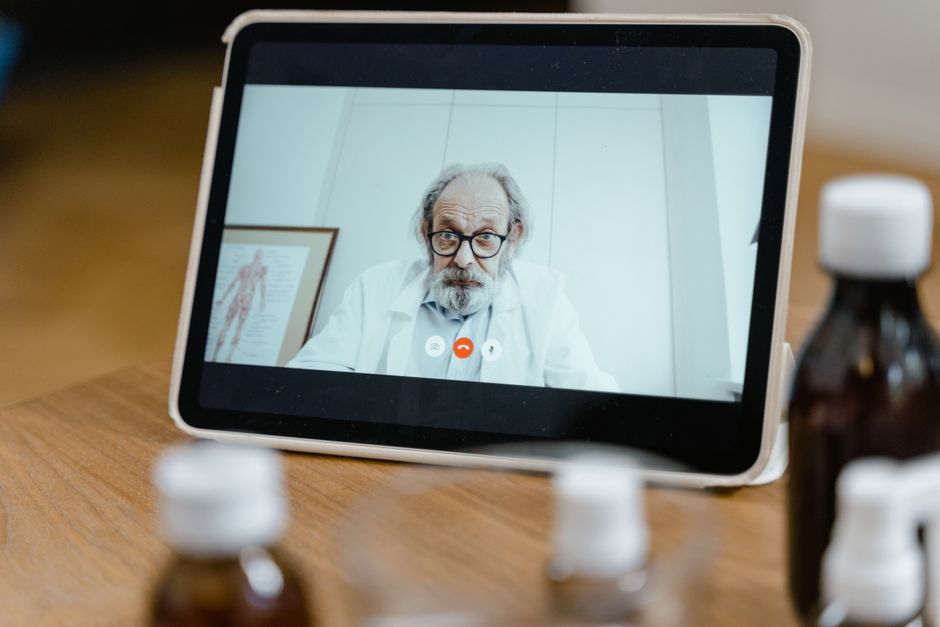
A telehealth weight loss program lets you meet with a licensed medical provider — like a doctor or nurse practitioner — through a video call or phone call. During these visits, your provider can review your health history, talk about your goals, and recommend a plan that may include lifestyle changes, medications, or both. It works much like an in-person visit, just without the commute.
These programs are medically supervised, which means a real clinician is overseeing your care. This is different from downloading a diet app or following a plan you found online. With a telehealth program, you have a licensed professional who can answer your questions, adjust your plan, and monitor your progress over time.
Some programs also offer prescriptions for FDA-approved weight loss medications when they are appropriate for a patient. Your provider will review your health information to decide what options are right for you. Not every treatment is right for every person, which is why having a clinician involved matters.
Why Telehealth Has Grown So Quickly
Telehealth use jumped sharply during the COVID-19 pandemic, when in-person visits became difficult or impossible for many people. But even after the pandemic slowed down, people kept using telehealth. A 2022 report from the U.S. Department of Health and Human Services found that telehealth visits remained far higher than pre-pandemic levels, showing that patients were satisfied with the convenience.
Technology has also made telehealth easier to use. Most people now have a smartphone or computer with a camera. Secure video platforms designed for medical visits are widely available. These tools make it simple for patients and providers to connect quickly and safely.
Another reason for the growth is cost. Traditional in-person weight loss programs can be expensive, especially without insurance coverage. Online programs often charge lower fees per visit. For example, SendSlim offers video and phone visits with licensed clinicians for just $50 per visit, with no insurance needed — making medical weight loss care more reachable for more people.
Access Is a Big Part of the Story
One of the biggest barriers to weight loss care has always been access. Many people live far from a specialist. Others work long hours and cannot take time off to visit a clinic. Some people feel embarrassed or judged going to an in-person appointment. Telehealth removes many of these barriers all at once.
Research published in the journal Obesity found that patients in rural areas had significantly less access to obesity medicine specialists than those living in urban areas. Telehealth can help close this gap by connecting rural patients to qualified providers no matter where they live.
People with disabilities, those who lack transportation, or those caring for children or elderly family members can also benefit greatly from being able to attend a medical visit from home. When care is easier to access, more people are able to start and stick with a treatment plan.
What the Research Says About Telehealth and Weight Loss
Studies show that telehealth weight loss programs can be effective. A study published in JAMA Internal Medicine found that participants in a remote weight management program had meaningful weight loss outcomes compared to those who received no intervention. While results vary from person to person, the research suggests that remote care is a legitimate and useful option.
Another important finding is that ongoing support matters. People who have regular check-ins with a provider tend to stay on track longer than those who try to manage weight on their own. Telehealth makes it easier to schedule and keep those follow-up appointments because there is no travel involved.
Medical organizations including the American Academy of Family Physicians have recognized telehealth as a valid method for delivering care. As more clinical guidelines are updated to include telehealth options, patients can feel confident that online visits meet the same professional standards as in-person care.
What to Look for in a Telehealth Weight Loss Program
Not all telehealth programs are created equal. When choosing a program, look for one that is run by licensed medical providers, not just health coaches or automated apps. A real clinician should review your health history and guide your care. Make sure the program follows safe, evidence-based practices.
Transparency about costs is also important. You should know upfront what each visit costs and what is included. Be cautious of programs that charge large membership fees without clearly explaining what services you receive. Look for programs that offer real communication with your provider, not just automated messages.
If you are in California or Nevada, SendSlim.com is a straightforward option. You can book a video or phone visit with a licensed clinician at a flat rate of $50 per visit, with no insurance required. This kind of simple, transparent structure makes it easier to get started without stress or surprises.
Taking the First Step
Telehealth weight loss programs are growing because they work for real people with real lives. They offer medical supervision, convenience, and access that traditional programs often cannot match. Whether you have tried other approaches before or are just starting to explore your options, speaking with a licensed clinician is one of the smartest first steps you can take.
You do not have to figure this out alone. Online medical weight loss care puts qualified professionals within easy reach, wherever you are.
References
- Bestsennyy, Oleg, et al. “Telehealth: A Quarter-Trillion-Dollar Post-COVID-19 Reality?” McKinsey & Company. 2021.
- U.S. Department of Health and Human Services. “Report to Congress: Telehealth and Medicare.” HHS Office of the Assistant Secretary for Planning and Evaluation. 2022.
- Galaviz, Karla I., et al. “Clinician Density and Obesity Medicine Specialist Access in Rural vs. Urban Areas.” Obesity. 2021.
- Appel, Lawrence J., et al. “Comparative Effectiveness of Weight-Loss Interventions in Clinical Practice.” NEJM. 2011.
- American Academy of Family Physicians. “Telehealth and Telemedicine Policy.” AAFP.org. 2023.
Ready to start your medical weight loss journey?
Talk to a licensed clinician by phone or video — from anywhere in California or Nevada. No waiting room. No insurance needed. Just $50 per visit.
Individual results vary. Medication is only prescribed when clinically appropriate.
- Share
