
How to Lose Fat Without Losing Muscle | SendSlim
- Home
- How to Lose Fat Without Losing Muscle | SendSlim
How to Lose Fat Without Losing Muscle | SendSlim
Why Losing Fat Without Losing Muscle Matters
When people try to lose weight, they often focus only on the number on the scale. But that number does not tell the whole story. Your body is made up of fat, muscle, bone, and water. Losing muscle along with fat can leave you feeling weak, tired, and less healthy overall. The goal of smart weight loss is to lose fat while keeping as much muscle as possible.
Muscle does important things for your body. It helps you move, keeps your metabolism running strong, and supports your bones and joints. When you lose muscle during a diet, your body burns fewer calories at rest. This makes it harder to keep weight off over time. Protecting your muscle while losing fat is one of the most important parts of a healthy weight loss plan.
The good news is that with the right approach, most people can lose body fat while holding on to their muscle mass. It takes a combination of smart eating, the right kind of exercise, and sometimes medical support.
Eat Enough Protein Every Day
Protein is the building block of muscle. When you cut calories to lose weight, your body may start breaking down muscle for energy if you do not eat enough protein. Eating plenty of protein signals your body to hold on to muscle while burning fat instead.
Most research suggests eating between 0.7 and 1 gram of protein per pound of body weight each day when trying to lose fat. Good sources of protein include chicken breast, fish, eggs, Greek yogurt, cottage cheese, beans, lentils, and tofu. Spreading your protein intake across all meals and snacks during the day helps your muscles use it more effectively.
It is also important not to cut calories too aggressively. Very low calorie diets can cause your body to break down muscle for fuel even if you eat plenty of protein. A moderate calorie deficit of 300 to 500 calories per day is often a safer and more effective approach for preserving muscle while losing fat.
Strength Training Is Your Best Friend
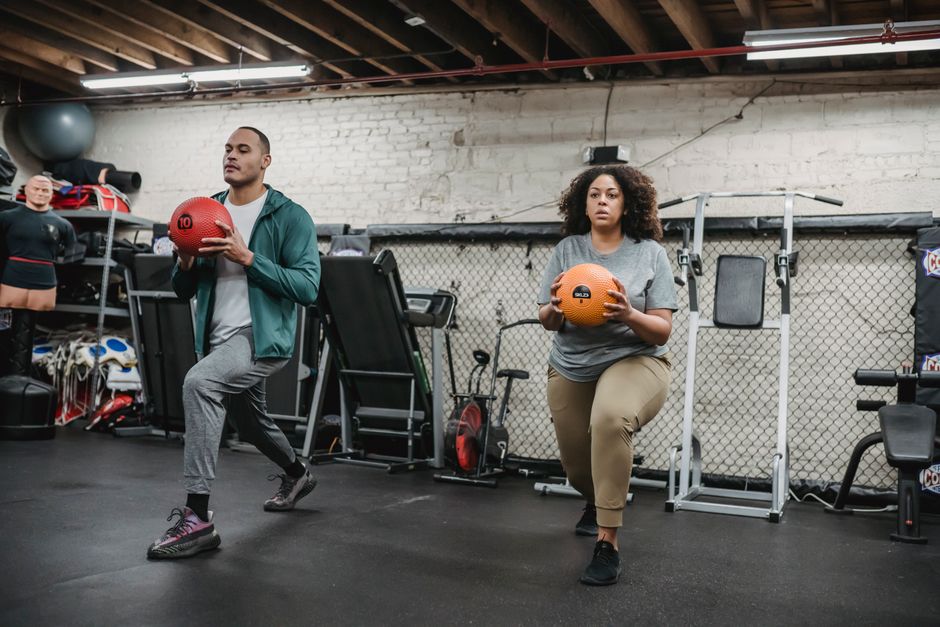
Exercise is one of the most powerful tools for protecting muscle during weight loss. Cardio exercise like walking or cycling burns calories, but strength training — also called resistance training — sends a direct signal to your muscles to stay strong and active. When you regularly challenge your muscles with resistance, your body works hard to keep them even while losing fat.
You do not need to lift heavy weights at a gym. Bodyweight exercises like squats, lunges, push-ups, and planks can be very effective. Resistance bands and light dumbbells also work well. Aim for at least two to three strength training sessions per week, targeting the major muscle groups in your legs, back, chest, shoulders, and arms.
Research shows that combining a calorie-controlled diet with resistance training leads to better body composition results than dieting alone. Body composition refers to the ratio of fat to lean muscle in your body. A better body composition often means more strength, better energy levels, and a healthier metabolism over time.
Do Not Skip Sleep or Recovery
Many people focus so much on diet and exercise that they forget about sleep. But sleep is when your body repairs and rebuilds muscle tissue. Poor sleep raises a hormone called cortisol, which can break down muscle and cause your body to store more fat. Getting 7 to 9 hours of quality sleep each night is an important part of any fat loss plan.
Rest days between workouts also matter. Muscles grow and strengthen during recovery, not just during exercise. Overtraining without enough rest can lead to muscle loss and increase the risk of injury. Listening to your body and taking at least one or two rest days per week is a smart strategy.
Stress management also plays a role. Chronic stress keeps cortisol levels high, which makes it harder to lose fat and easier to lose muscle. Simple practices like deep breathing, short walks in nature, and limiting screen time before bed can help keep stress and cortisol under control.
Stay Hydrated and Time Your Meals Wisely
Water plays a surprisingly big role in muscle health and fat loss. Your muscles are made up of a large percentage of water. Dehydration can reduce muscle strength and performance, making your workouts less effective. Drinking enough water — typically around 8 or more cups per day depending on activity level — helps your body function at its best.
Meal timing can also support muscle preservation. Eating a source of protein within one to two hours after a workout helps your muscles recover and rebuild. This does not need to be a special supplement. A simple snack like eggs, Greek yogurt, or a handful of nuts with some cheese can do the job.
Skipping meals, especially breakfast or post-workout meals, can leave your muscles without the fuel they need to recover. While intermittent fasting works for some people, it is important to make sure you are still hitting your daily protein goals even within a shorter eating window.
Consider Working With a Medical Professional
Losing fat without losing muscle is a science, and everyone’s body is different. Factors like age, hormones, activity level, and health history all affect how your body responds to diet and exercise changes. A licensed medical provider can help you create a plan that fits your specific needs and goals.
If you live in California or Nevada, SendSlim.com offers affordable video and phone visits with licensed clinicians for just $50 per visit — no insurance needed. Getting personalized medical guidance can make a real difference in how safely and effectively you reach your goals. A clinician can review your current habits, answer your questions, and help you build a plan that protects your muscle while targeting fat loss.
Medical weight loss support is no longer something only available to people with expensive insurance plans or specialty clinic access. SendSlim makes it simple to connect with a professional from the comfort of your home, so you can get the support you deserve without extra hassle.
Putting It All Together
Losing fat while keeping muscle is absolutely possible with the right habits in place. Eating enough protein, doing regular strength training, sleeping well, staying hydrated, and managing stress are all key pieces of the puzzle. Small, consistent changes over time lead to lasting results that go far beyond just a lower number on the scale.
Remember that progress looks different for everyone. Focus on how you feel, how your clothes fit, and how strong and energetic you feel day to day. Building a healthier body is a long-term journey, and every positive step you take counts.
References
- Stokes, Tanner, et al. “Recent Perspectives Regarding the Role of Dietary Protein for the Promotion of Muscle Hypertrophy with Resistance Exercise Training.” Nutrients. National Institutes of Health (NIH), 2018.
- Westcott, Wayne L. “Resistance Training is Medicine: Effects of Strength Training on Health.” Current Sports Medicine Reports. 2012.
- Leidy, Heather J., et al. “The Role of Protein in Weight Loss and Maintenance.” The American Journal of Clinical Nutrition. 2015.
- Dattilo, M., et al. “Sleep and Muscle Recovery: Endocrinological and Molecular Basis for a New and Promising Hypothesis.” Medical Hypotheses. 2011.
- Donnelly, Joseph E., et al. “American College of Sports Medicine Position Stand: Appropriate Physical Activity Intervention Strategies for Weight Loss and Prevention of Weight Regain for Adults.” Medicine & Science in Sports & Exercise. 2009.
Ready to start your medical weight loss journey?
Talk to a licensed clinician by phone or video — from anywhere in California or Nevada. No waiting room. No insurance needed. Just $50 per visit.
Individual results vary. Medication is only prescribed when clinically appropriate.
- Share
