
Meal Prep for Weight Loss: A Weekly Guide
- Home
- Meal Prep for Weight Loss: A Weekly Guide
Meal Prep for Weight Loss: A Weekly Guide
Why Meal Prep Can Support Your Weight Loss Journey
Meal prep means cooking or preparing your food ahead of time — usually once or twice a week. It is one of the most practical tools people use to eat healthier and manage their weight. When your meals are already made, you are less likely to grab fast food or snack on high-calorie options just because you are tired or short on time.
Research shows that people who plan and prepare their meals at home tend to have better diet quality and a healthier body weight. Cooking at home gives you control over ingredients, portion sizes, and cooking methods. That control can make a big difference over time when you are working toward a weight loss goal.
This guide will walk you through a simple weekly meal prep routine. You do not need to be a great cook or spend hours in the kitchen. With a little planning, meal prep can become an easy habit that supports your overall health.
Step 1: Plan Your Meals Before You Shop
The first step is deciding what you will eat for the week. Choose meals that include lean protein, plenty of vegetables, whole grains, and healthy fats. Try to pick simple recipes with overlapping ingredients so you are not buying 20 different things. For example, if you buy a bag of spinach, you can use it in a salad, a smoothie, and a stir-fry.
Write down breakfast, lunch, dinner, and snacks for each day. You do not need to plan every single meal perfectly. Even planning 4 or 5 dinners ahead of time can reduce stress and impulsive eating during the week. Keep a running grocery list on your phone so you can add things as you think of them.
When choosing recipes, look for meals that store well in the fridge or freezer. Soups, grain bowls, egg muffins, and roasted vegetables all hold up well for several days. Avoid prepping foods that get soggy quickly, like dressed salads or crispy foods, until you are ready to eat them.
Step 2: Build a Balanced Plate
A helpful way to build meals for weight loss is to follow a simple plate method. Fill half your plate with non-starchy vegetables like broccoli, zucchini, peppers, or leafy greens. Fill one quarter with a lean protein like chicken breast, turkey, fish, eggs, tofu, or legumes. Fill the last quarter with a whole grain or starchy vegetable like brown rice, quinoa, sweet potato, or oats.
Protein is especially important when you are trying to lose weight. It helps you feel full longer and supports muscle mass. The Dietary Guidelines for Americans recommend that most adults eat between 46 and 56 grams of protein per day, but many weight loss plans suggest more. Talk to a clinician to find the right amount for your body.
Do not skip healthy fats. Foods like avocado, olive oil, nuts, and seeds help your body absorb vitamins and keep you satisfied. The key is portion size. A small handful of almonds or a drizzle of olive oil adds nutrition without going overboard on calories.
Step 3: Your Weekly Prep Schedule
Pick one day per week — many people choose Sunday — to do the bulk of their cooking. Set aside 1 to 2 hours. Start with foods that take the longest to cook, like grains and roasted vegetables, since those can go in the oven while you prep other things. Cook a large batch of a whole grain like quinoa or brown rice. Roast two or three trays of vegetables with olive oil and seasoning.
At the same time, cook your proteins. Bake or grill several chicken breasts, hard-boil a batch of eggs, or cook a pot of lentils. Having cooked protein ready in the fridge makes it easy to throw together a quick lunch or dinner without any real cooking during the week.
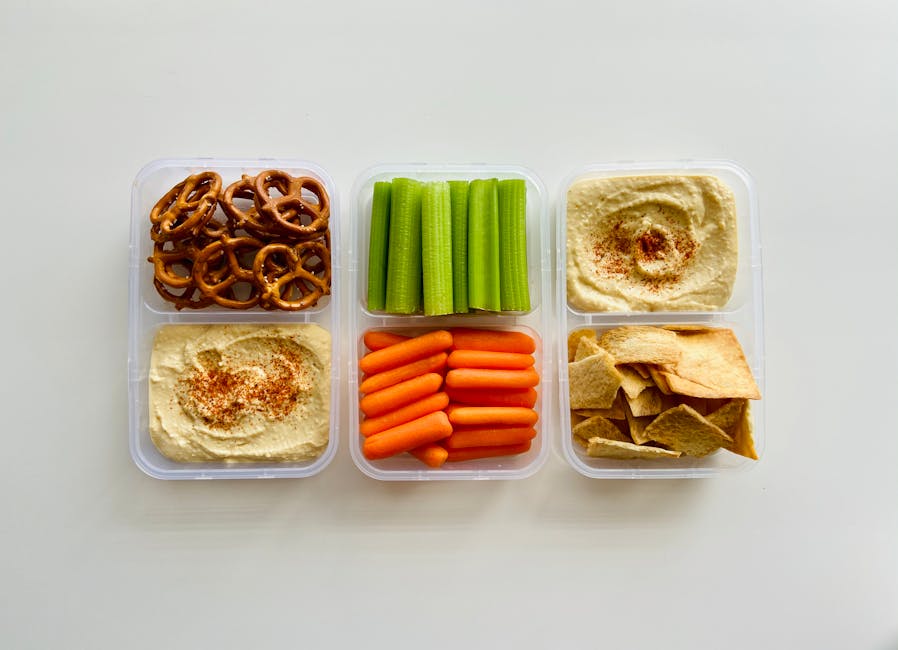
Prep your snacks too. Wash and cut fruit and vegetables so they are grab-and-go. Portion out nuts into small bags or containers. Prepare overnight oats for the next few mornings. These small steps remove the friction that leads to unhealthy choices when hunger strikes fast.
Step 4: Smart Storage for Food Safety
How you store your food matters for both safety and quality. Use airtight glass or BPA-free plastic containers. Label each container with the date you made it. Most cooked proteins and vegetables stay safe in the refrigerator for 3 to 4 days. Grains like rice and quinoa can last up to 5 days when stored properly.
If you want to prep further ahead, freezing is a great option. Many cooked meals freeze well for up to 3 months. Think of freezer meals as your backup plan for a busy week when you do not have time to cook. Soups, chili, casseroles, and marinated raw chicken all freeze well.
The USDA recommends keeping your refrigerator at or below 40°F and your freezer at 0°F. Do not leave cooked food at room temperature for more than 2 hours, as harmful bacteria can grow quickly. Proper storage protects your health and reduces food waste.
Getting Extra Support on Your Weight Loss Journey
Meal prep is a powerful tool, but it works best as part of a broader plan. A medical provider can help you understand how many calories, how much protein, and what types of foods are right for your specific body, health history, and goals. Everyone is different, and personalized guidance can make your efforts more effective.
If you are looking for convenient, affordable medical support, SendSlim.com offers video and phone visits with licensed clinicians in California and Nevada for just $50 per visit — no insurance needed. Getting expert guidance does not have to be complicated or expensive.
Combining smart meal prep with professional advice gives you the best foundation for sustainable, healthy weight management. Small, consistent habits practiced over time are what lead to lasting change.
Conclusion
Meal prepping does not have to be overwhelming. Start simple — plan a few meals, batch cook on one day, and build from there. Over time, it becomes second nature. You will spend less time stressing about food during the week and more time feeling good about the choices you are making for your health.
Remember, the goal is progress — not perfection. Even prepping just your lunches for the week is a meaningful step forward. Pair your meal prep habit with movement, good sleep, and medical guidance from a provider like SendSlim for a well-rounded approach to weight loss.
References
- Wolfson, Julia A. and Bleich, Sara N. “Is cooking at home associated with better diet quality or weight-loss intention?” Public Health Nutrition. 2015.
- U.S. Department of Agriculture. “FoodKeeper App: Food Safety Storage Times.” USDA FoodSafety.gov. 2023.
- U.S. Department of Health and Human Services. “Dietary Guidelines for Americans, 2020–2025.” Office of Disease Prevention and Health Promotion. 2020.
- Rolls, Barbara J. “What is the volumetrics eating plan?” Mayo Clinic. 2023.
- Leidy, Heather J. et al. “The role of protein in weight loss and maintenance.” American Journal of Clinical Nutrition. 2015.
Ready to start your medical weight loss journey?
Talk to a licensed clinician by phone or video — from anywhere in California or Nevada. No waiting room. No insurance needed. Just $50 per visit.
Individual results vary. Medication is only prescribed when clinically appropriate.
- Share
