
Medical Weight Loss Programs for Veterans | SendSlim
- Home
- Medical Weight Loss Programs for Veterans | SendSlim
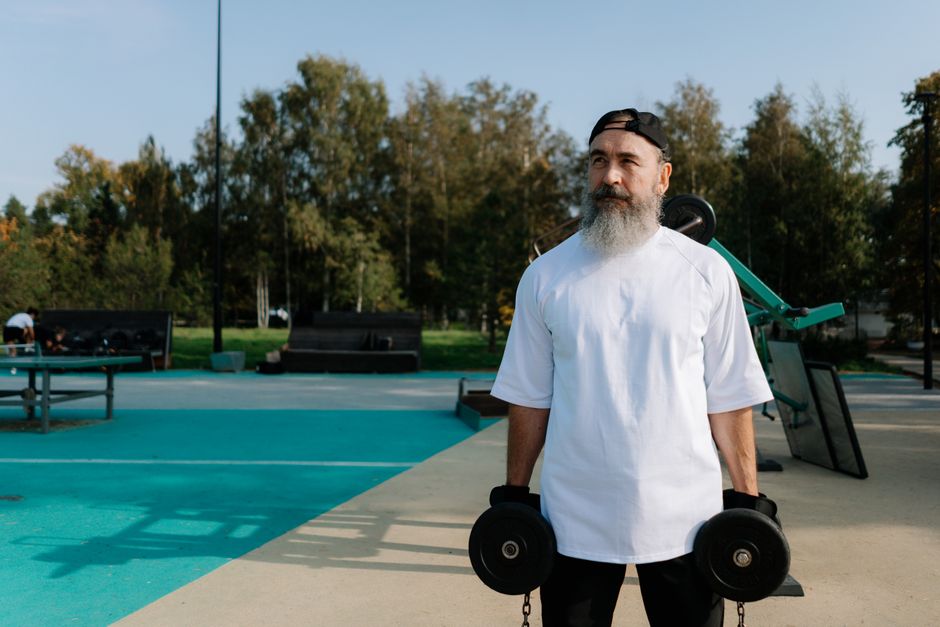
Medical Weight Loss Programs for Veterans | SendSlim
Weight Loss Support Made for Those Who Served
Veterans give so much to protect others. But after service ends, many veterans find it hard to take care of themselves. Weight gain is one of the most common health challenges veterans face. Studies show that veterans have higher rates of obesity than the general population. This is often linked to injuries, limited mobility, stress, and changes in physical activity after leaving the military. The good news is that medical weight loss programs can help — and today, many of these programs are easier to access than ever before.
This article is for veterans who want to understand their options for medical weight loss. It covers why weight management matters after service, what medical programs offer, and how you can get started with professional support.
Why Veterans Face Unique Weight Challenges
Military life often involves intense physical training and a structured routine. When that structure goes away after discharge, it can be hard to stay active. Many veterans also deal with service-related injuries that make exercise painful or difficult. Conditions like joint pain, back injuries, or lower-limb problems can limit movement and lead to gradual weight gain over time.
Mental health also plays a big role. Post-traumatic stress disorder (PTSD), depression, and anxiety are common among veterans. Research shows a strong connection between these conditions and weight gain. Stress can lead to emotional eating, disrupted sleep, and hormonal changes that make it harder to manage weight. Veterans dealing with these challenges are not alone, and these factors are real — not a matter of willpower.
Sleep problems are another factor. Many veterans experience insomnia or sleep apnea. Poor sleep affects hunger hormones like ghrelin and leptin, making people feel hungrier and less satisfied after eating. All of these challenges together can make weight management feel overwhelming. That is why a medical approach — not just a diet plan — can make a real difference.
What Is Medical Weight Loss?
Medical weight loss is a program supervised by licensed healthcare providers. It is different from commercial diet plans or apps. A clinician evaluates your overall health, reviews your medical history, and creates a plan that fits your specific situation. This may include nutrition guidance, behavioral support, physical activity recommendations, and in some cases, FDA-approved weight loss medications.
Weight loss medications have improved greatly in recent years. Some work by reducing appetite or helping the body manage blood sugar more effectively. These medications are only used when appropriate, and a clinician monitors your progress throughout the process. The goal is safe, steady, and sustainable progress — not quick fixes.
Medical programs also look at the reasons behind weight gain. A good provider does not just hand you a meal plan. They ask questions about your lifestyle, stress levels, sleep, and health history. For veterans, this kind of whole-person approach is especially important.
VA Benefits and Weight Loss Resources
The Department of Veterans Affairs (VA) offers some weight management resources for eligible veterans. The VA’s MOVE! program is a well-known weight management program available at many VA medical centers. It includes group sessions, nutrition education, and physical activity coaching. Some locations also offer telehealth options for veterans who live far from a VA facility.
However, not every veteran is enrolled in VA care. Some veterans do not qualify for VA benefits, live in areas without easy VA access, or simply prefer to seek care outside the VA system. Veterans in this situation still deserve quality medical support for weight management.
For veterans in California and Nevada who want a convenient, affordable option, telehealth clinics like SendSlim offer video and phone visits with licensed clinicians for just $50 per visit — no insurance required. This makes it easy to get real medical guidance without the wait times or travel that sometimes come with VA care.
Medications That May Support Weight Loss
Several FDA-approved medications are available to support weight loss in adults with obesity or weight-related health concerns. These include older medications like phentermine as well as newer options like GLP-1 receptor agonists such as semaglutide and tirzepatide. GLP-1 medications were originally developed for blood sugar management but have shown significant effects on body weight in clinical trials.
These medications are not right for everyone. A clinician must review your health history before prescribing anything. Factors like heart health, kidney function, and current medications all matter. Veterans with service-related health conditions may have additional considerations that a provider needs to review carefully.
It is also important to understand that medications work best alongside lifestyle changes. Eating habits, physical activity, stress management, and sleep all affect outcomes. A medical weight loss program combines these tools into one coordinated plan, rather than relying on any single solution.
Getting Started With Medical Weight Loss
Starting a medical weight loss program does not have to be complicated. The first step is a conversation with a licensed clinician. During that visit, the provider will ask about your health history, current medications, lifestyle, and goals. They may also review lab work or recommend tests depending on your situation.
From there, you and your provider will build a plan together. This might include dietary changes, an activity routine that works around any physical limitations, and possibly medication if appropriate. Follow-up visits help track your progress and adjust the plan as needed. Regular check-ins are one of the most important parts of a successful medical weight loss program.
Veterans who are used to mission-based goals may find that a structured medical program feels familiar. You work with a team, follow a plan, and check in regularly. SendSlim makes this accessible for California and Nevada residents with affordable telehealth visits that fit into a busy schedule — no long waits, no driving across town.
Conclusion
Veterans face real and unique challenges when it comes to managing weight. Injuries, mental health, changes in routine, and sleep problems all play a role. Medical weight loss programs are designed to address these factors with professional guidance, not generic advice. Whether through VA resources or telehealth options, veterans have more choices than ever to get the support they deserve. Taking the first step — talking to a licensed clinician — is the most important move you can make.
References
- Koepsell, Thomas D., et al. “Obesity and the Risk of Overweight Among U.S. Veterans.” American Journal of Preventive Medicine. 2012.
- Haskell, Sally G., et al. “The Prevalence of Overweight and Obesity Among U.S. Veterans.” Journal of General Internal Medicine. 2010.
- U.S. Department of Veterans Affairs. “MOVE! Weight Management Program for Veterans.” Veterans Health Administration. 2023.
- Jastreboff, Ania M., et al. “Tirzepatide Once Weekly for the Treatment of Obesity.” New England Journal of Medicine. 2022.
- Spiegel, Karine, et al. “Sleep Loss: A Novel Risk Factor for Insulin Resistance and Type 2 Diabetes.” Journal of Applied Physiology. 2005.
Ready to start your medical weight loss journey?
Talk to a licensed clinician by phone or video — from anywhere in California or Nevada. No waiting room. No insurance needed. Just $50 per visit.
Individual results vary. Medication is only prescribed when clinically appropriate.
- Share
