
Weight Loss Tips for People with Limited Mobility
- Home
- Weight Loss Tips for People with Limited Mobility
Weight Loss Tips for People with Limited Mobility
Moving Toward a Healthier Weight When Mobility Is Limited
Losing weight can feel overwhelming for anyone. But for people with limited mobility, it can feel even harder. Whether you use a wheelchair, have a chronic condition, recover from an injury, or simply find it painful to move, traditional weight loss advice often feels out of reach. Tips like “just go for a walk” or “hit the gym” may not apply to your situation. The good news is that weight management is still very possible — and there are real, evidence-based strategies that work for people with all kinds of physical abilities.
This article covers practical, realistic tips for managing your weight when movement is difficult. You do not need to run a marathon or lift heavy weights to make meaningful progress. Small, consistent changes to what you eat and how you move your body — in whatever way you can — can add up over time.
Understanding Why Weight Management Is Different With Limited Mobility
People with limited mobility often burn fewer calories throughout the day. This is called a lower resting metabolic rate, and it simply means your body uses less energy at rest compared to someone who moves around more freely. This does not mean weight loss is impossible — it means your approach needs to be tailored to your body’s actual needs.
Certain conditions that cause limited mobility, such as spinal cord injuries, multiple sclerosis, or severe arthritis, can also affect hormones and muscle mass. Less muscle in the body means fewer calories burned throughout the day. Understanding this helps explain why a calorie approach that works for someone else may need to be adjusted for you. Working with a medical professional is especially helpful here.
Emotional health also plays a big role. Living with limited mobility can sometimes lead to stress, depression, or anxiety — all of which can affect eating habits and motivation. Recognizing this connection is an important first step toward building a plan that works for your whole self, not just your body.
Focusing on What You Eat
Because burning calories through movement may be more challenging, what you eat becomes especially important. This does not mean crash dieting or cutting out entire food groups. Instead, focus on eating foods that give your body the most nutrition for the fewest calories. These are often called nutrient-dense foods.
Some helpful food choices include:
- Vegetables like leafy greens, broccoli, carrots, and peppers
- Fruits like berries, apples, and oranges
- Lean proteins like chicken, fish, eggs, beans, and tofu
- Whole grains like oats, brown rice, and whole wheat bread
- Healthy fats like avocado, nuts, and olive oil
Reducing ultra-processed foods, sugary drinks, and foods high in saturated fat can make a big difference over time. Portion sizes matter too. Even healthy foods can lead to weight gain if eaten in very large amounts. A registered dietitian can help you figure out the right calorie range for your specific needs and activity level.
Seated and Low-Impact Exercises That Help
Even with limited mobility, many forms of physical activity are possible — and beneficial. Movement helps preserve muscle, support mood, and burn some extra calories. The key is finding what works for your body safely. Always talk to your doctor before starting a new exercise routine.
Some options that many people with limited mobility find helpful include:
- Chair exercises — arm lifts, seated marching, and torso twists can be done from a chair or wheelchair
- Water therapy — pools reduce pressure on joints, making movement easier and less painful
- Resistance bands — light resistance training builds muscle even from a seated position
- Stretching and yoga — gentle seated yoga can improve flexibility and reduce tension
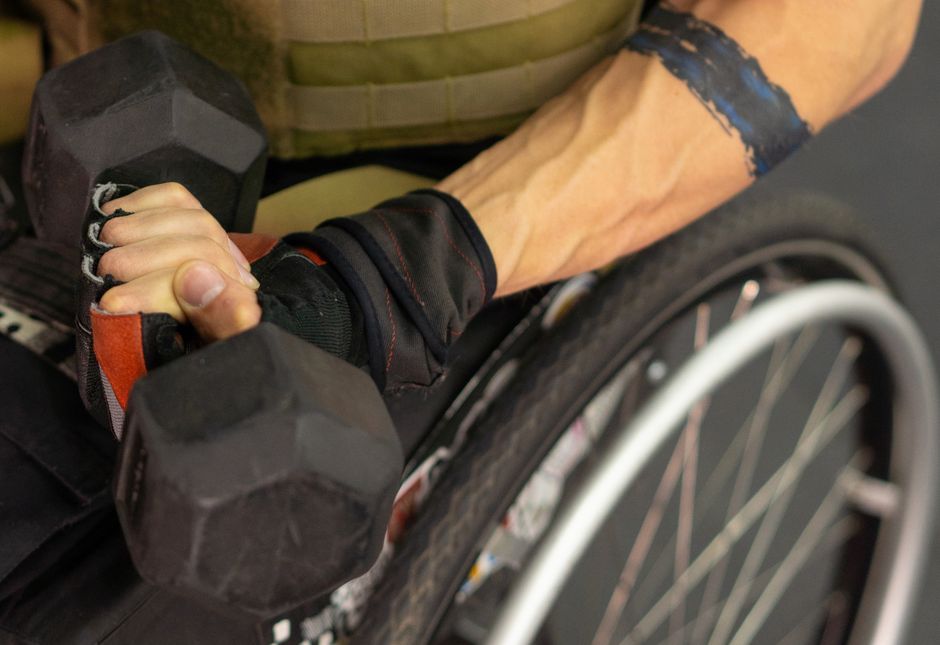
- Upper body workouts — if your lower body is limited, focusing on arms and shoulders still builds muscle and burns calories
Even small amounts of movement throughout the day add up. Shifting position regularly, doing gentle stretches between activities, or doing a few arm circles while watching TV can contribute to your overall activity level. The goal is consistency over intensity.
Managing Hunger and Eating Habits
Hunger cues can be tricky. Many people eat in response to boredom, stress, or pain — not true hunger. This is very common, especially when mobility is limited and there may be fewer ways to stay busy or active. Learning to recognize the difference between physical hunger and emotional hunger is a powerful skill.
Some practical tips for building healthier eating habits include:
- Eating slowly and putting your fork down between bites
- Drinking a glass of water before meals
- Eating at the table rather than in front of the TV when possible
- Keeping healthy snacks easy to reach and less healthy foods out of sight
- Planning meals ahead of time to avoid impulsive food choices
Tracking what you eat — even just for a few weeks — can reveal patterns you may not notice otherwise. Many free apps make this easy to do from your phone or tablet. Seeing your habits in black and white can be a powerful motivator for change.
Getting the Right Medical Support
Weight loss with limited mobility is not a one-size-fits-all process. Having a medical professional in your corner makes a real difference. A doctor can review your medications (some cause weight gain), check your hormones, and help you set realistic and safe goals. In some cases, medically supervised weight loss tools — including prescription medications — may be appropriate options to discuss.
If getting to a doctor’s office is difficult, telehealth is a convenient alternative. SendSlim.com offers video and phone visits with licensed clinicians for just $50 per visit, with no insurance needed. This can be a practical way to get personalized medical guidance from the comfort of your home.
Building a Support System
You do not have to do this alone. Research consistently shows that social support improves weight loss outcomes. Friends, family members, online communities, or a healthcare team can all play a role in keeping you motivated and accountable. Let the people around you know what you are working toward and how they can help.
Consider connecting with communities of others who share similar physical challenges. Peer support groups — online or in person — can provide both motivation and practical advice from people who truly understand your experience. Progress looks different for everyone, and celebrating small wins along the way is just as important as the big goals.
Conclusion
Limited mobility does not mean limited potential. By focusing on nutrition, finding movement that works for your body, building better habits, and getting the right medical support, meaningful progress is within reach. Be patient with yourself and remember that sustainable change happens gradually. If you are ready to take the next step, speaking with a licensed clinician — whether in person or through a service like SendSlim — can help you build a plan that fits your real life.
References
- Rimmer, James H. “Exercise and Physical Activity in Persons Aging with a Physical Disability.” Physical Medicine and Rehabilitation Clinics of North America. 2005.
- Heymsfield, Steven B., and Thomas A. Wadden. “Mechanisms, Pathophysiology, and Management of Obesity.” New England Journal of Medicine. 2017.
- Centers for Disease Control and Prevention. “Physical Activity for People with Disabilities.” CDC.gov. 2023.
- Donnelly, Joseph E., et al. “Appropriate Physical Activity Intervention Strategies for Weight Loss and Prevention of Weight Regain for Adults.” Medicine and Science in Sports and Exercise. 2009.
- National Institute of Diabetes and Digestive and Kidney Diseases. “Choosing a Safe and Successful Weight-Loss Program.” NIH.gov. 2021.
Ready to start your medical weight loss journey?
Talk to a licensed clinician by phone or video — from anywhere in California or Nevada. No waiting room. No insurance needed. Just $50 per visit.
Individual results vary. Medication is only prescribed when clinically appropriate.
- Share
