
The Role of Fat in a Healthy Weight Loss Diet
- Home
- The Role of Fat in a Healthy Weight Loss Diet
The Role of Fat in a Healthy Weight Loss Diet
Why Fat Matters When You’re Trying to Lose Weight
For decades, fat was seen as the enemy of weight loss. Low-fat foods filled grocery store shelves, and many people believed that eating fat meant gaining fat. But science has moved on. Today, we know that dietary fat is not only safe to eat — it is actually necessary for good health. The key is understanding which fats help your body and which ones you should limit.
When you eat the right kinds of fat, your body gets important benefits. Fat helps you feel full after a meal. It helps your body absorb vitamins like A, D, E, and K. It also supports brain function and hormone production. Cutting fat out completely can leave you feeling hungry, tired, and missing key nutrients. A smart weight loss plan includes fat — just the right kinds and the right amounts.
The Different Types of Dietary Fat
Not all fats are the same. There are four main types: unsaturated fats, saturated fats, trans fats, and omega-3 fatty acids. Each one affects your body differently. Learning the difference helps you make better food choices every day.
Unsaturated fats are considered the healthiest type. They are found in foods like olive oil, avocados, nuts, and seeds. These fats can support heart health and help reduce inflammation in the body. Saturated fats are found in animal products like butter, red meat, and full-fat dairy. Eating too much saturated fat may raise LDL cholesterol levels, so most health guidelines recommend keeping these in moderation.
Trans fats are the fats most experts agree you should avoid. They are found in some processed and fried foods. Trans fats raise bad cholesterol and lower good cholesterol at the same time. The FDA has largely banned artificial trans fats in the United States. Omega-3 fatty acids are a special type of unsaturated fat found in fatty fish, walnuts, and flaxseed. They support heart and brain health and are an important part of a balanced diet.
How Fat Affects Hunger and Calorie Balance
One reason fat is so useful in a weight loss diet is that it helps control hunger. Fat slows down how quickly food leaves your stomach. This means you feel full for longer after eating a meal that contains healthy fat. When you feel full, you are less likely to snack or overeat later in the day.
Fat is also calorie-dense. It has 9 calories per gram, compared to 4 calories per gram for carbohydrates and protein. This means a little fat goes a long way. You do not need to eat large amounts to get the benefits. The goal is not to avoid fat but to eat it in portions that fit within your daily calorie needs.
Some research also shows that replacing refined carbohydrates with healthy fats may help manage blood sugar levels. This can reduce energy crashes and cravings throughout the day, making it easier to stick to a healthy eating plan over time.
Healthy Fats to Include in Your Diet
Adding healthy fats to your meals does not have to be complicated. There are simple, everyday foods that are rich in good fats and easy to prepare. Making small swaps in your current diet can make a big difference over time.
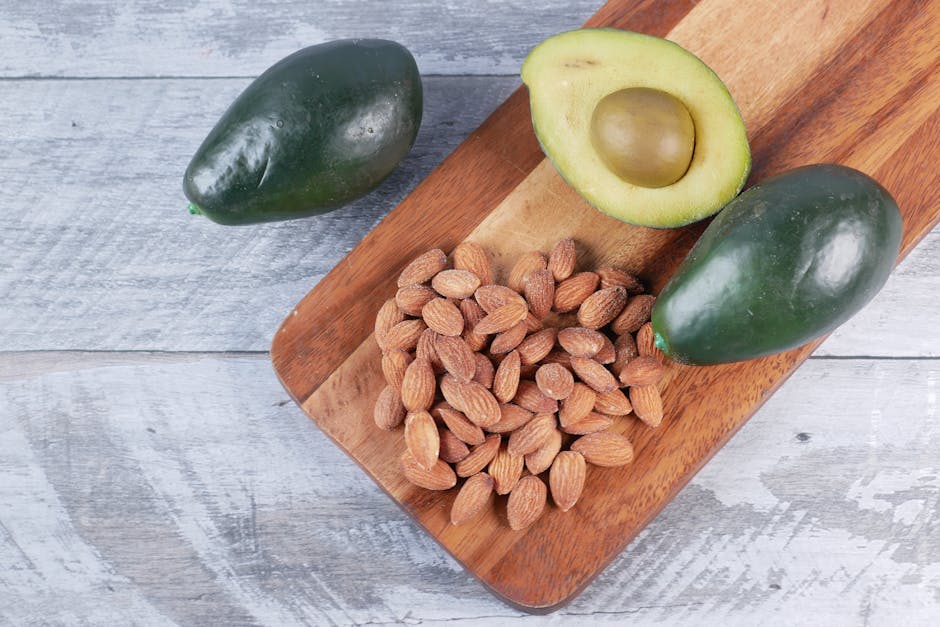
- Avocados — rich in monounsaturated fat and fiber, which supports fullness
- Olive oil — a great cooking oil that supports heart health
- Nuts and nut butters — almonds, walnuts, and cashews offer healthy fat and protein
- Fatty fish — salmon, sardines, and mackerel are high in omega-3 fatty acids
- Seeds — chia seeds and flaxseeds add omega-3s and fiber to meals
- Eggs — contain healthy fat along with protein and essential nutrients
These foods can be added to salads, smoothies, snacks, and main dishes. Cooking with olive oil instead of butter, or snacking on a handful of nuts instead of chips, are small changes that support your goals without making you feel deprived.
Fats to Limit or Avoid
While healthy fats are beneficial, some fats are best kept to a minimum. Saturated fats from sources like fatty cuts of red meat, processed meats, butter, and full-fat cheese should be eaten in moderation. The American Heart Association recommends that saturated fat make up no more than 5 to 6 percent of your total daily calories.
Highly processed foods like packaged snacks, fast food, and baked goods often contain unhealthy fats along with added sugars and excess sodium. These foods tend to be high in calories and low in nutrients. They make it harder to stay within a healthy calorie range, and they do not provide the fullness or nutrition that whole food fats do.
Reading food labels is one of the easiest ways to track the types of fat you are eating. Look for products low in saturated fat and free of partially hydrogenated oils, which is another name for artificial trans fat.
Working With a Clinician to Build Your Fat Strategy
Everyone’s body is different. The right amount and type of fat in your diet may depend on your health history, goals, and other factors. A licensed clinician can help you build a plan that fits your specific needs. They can review your current eating habits and suggest practical changes that support steady, healthy weight loss.
If you are looking for convenient, affordable guidance, SendSlim offers video and phone visits with licensed clinicians for just $50 per visit, with no insurance required. You can get personalized support from the comfort of your home — serving patients across California and Nevada. Having a clinician in your corner can make a real difference in building habits that last.
Conclusion
Fat is not your enemy. The right kinds of fat — found in foods like avocados, nuts, olive oil, and fatty fish — are an important part of a healthy, balanced weight loss diet. They help you stay full, absorb key vitamins, and support overall health. The goal is to focus on quality, choose whole food sources of fat, and limit highly processed options. With the right information and the right support, building a diet that works for you is very much within reach.
References
- Sacks, Frank M., et al. “Dietary Fats and Cardiovascular Disease: A Presidential Advisory From the American Heart Association.” Circulation. 2017.
- U.S. Food and Drug Administration. “Trans Fat.” FDA.gov. 2023.
- Schwingshackl, Lukas, and Georg Hoffmann. “Monounsaturated Fatty Acids, Olive Oil and Health Status: A Systematic Review and Meta-Analysis of Cohort Studies.” Lipids in Health and Disease. 2014.
- National Institutes of Health, Office of Dietary Supplements. “Omega-3 Fatty Acids: Fact Sheet for Health Professionals.” NIH.gov. 2023.
- Astrup, Arne, et al. “Dietary Saturated Fats and Health: Are the U.S. Guidelines Evidence-Based?” Nutrients. 2019.
Ready to start your medical weight loss journey?
Talk to a licensed clinician by phone or video — from anywhere in California or Nevada. No waiting room. No insurance needed. Just $50 per visit.
Individual results vary. Medication is only prescribed when clinically appropriate.
- Share
