
Balanced Plate Approach for Weight Loss | SendSlim
- Home
- Balanced Plate Approach for Weight Loss | SendSlim
Balanced Plate Approach for Weight Loss | SendSlim
What Is the Balanced Plate Approach?
Losing weight can feel complicated. There are hundreds of diets out there, and it is easy to get confused. The balanced plate approach is a simple method that helps you eat the right amounts of different foods at every meal. Instead of counting every calorie or cutting out entire food groups, you just look at your plate and make sure it has the right mix of foods.
This approach is based on real nutrition science. It was inspired by tools like the USDA’s MyPlate guide, which divides your meal into sections for vegetables, protein, grains, and fruit. The goal is to give your body the nutrients it needs while keeping your total calorie intake in a healthy range. For many people, this simple visual method is much easier to stick to than strict diet plans.
How to Build Your Balanced Plate
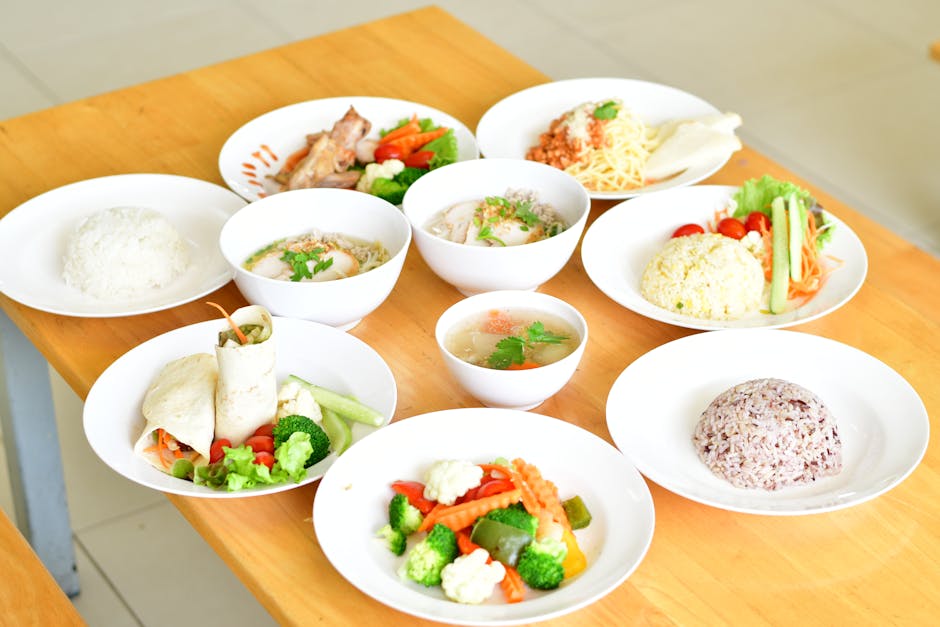
Building a balanced plate is straightforward. Start with a standard dinner plate. Fill half the plate with non-starchy vegetables. Think leafy greens, broccoli, cucumbers, peppers, zucchini, or tomatoes. These foods are high in fiber and water, which help you feel full without adding a lot of calories.
Next, fill one quarter of the plate with a lean protein source. Good choices include grilled chicken, fish, turkey, eggs, tofu, beans, or low-fat dairy. Protein is important because it helps you feel satisfied after meals and supports muscle mass during weight loss. The last quarter of the plate is for whole grains or starchy vegetables like brown rice, quinoa, sweet potato, or whole grain bread. These give you energy and important nutrients like B vitamins and fiber.
You can also add a small serving of healthy fat, like a drizzle of olive oil, a few slices of avocado, or a small handful of nuts. Healthy fats help your body absorb vitamins and keep you feeling full longer. A small serving of fruit or low-fat dairy on the side rounds out a well-balanced meal.
Why Vegetables Take Up Half the Plate
Many people do not eat enough vegetables. According to the CDC, only about 1 in 10 adults in the United States eats the recommended amount of fruits and vegetables each day. Vegetables are one of the best foods for weight management. They are low in calories but high in volume, meaning they fill up your stomach without loading you with extra energy.
Vegetables are also rich in dietary fiber. Fiber slows down digestion and helps you stay full for longer after eating. Research published in the Annals of Internal Medicine found that simply increasing fiber intake was an effective strategy for improving eating habits and supporting weight loss. Fiber also feeds healthy gut bacteria, which may play a role in overall metabolic health.
Non-starchy vegetables are the best choice for filling half your plate. They include spinach, kale, arugula, cabbage, green beans, asparagus, mushrooms, and many others. These are nutrient-dense foods, meaning they pack a lot of vitamins and minerals into very few calories. Eating a wide variety of colorful vegetables helps ensure you get a broad range of nutrients.
The Role of Protein in Weight Loss
Protein is one of the most important nutrients when you are trying to manage your weight. It takes more energy for your body to digest protein compared to carbohydrates or fat. This is called the thermic effect of food. Protein also triggers the release of hormones that signal fullness to your brain, helping to reduce overall calorie intake throughout the day.
Research from the American Journal of Clinical Nutrition has shown that higher protein intake can help preserve lean muscle mass during weight loss. This matters because muscle tissue burns more calories at rest than fat tissue does. Keeping your muscle mass while losing fat is important for long-term weight management.
Choosing lean protein sources keeps your saturated fat intake low. Fish like salmon and tuna also provide omega-3 fatty acids, which support heart health. Plant-based proteins like beans and lentils have the added benefit of being high in fiber. Rotating between different protein sources throughout the week helps keep meals interesting and nutritious.
Choosing the Right Carbohydrates
Carbohydrates often get a bad reputation when it comes to weight loss, but not all carbs are the same. Refined carbohydrates, like white bread, sugary cereals, and pastries, are quickly digested and can cause spikes in blood sugar. Whole grain carbohydrates are digested more slowly and provide steady energy throughout the day.
Whole grains like oats, brown rice, barley, and whole wheat contain fiber, vitamins, and minerals that are stripped away during the refining process. The Dietary Guidelines for Americans recommend that at least half of all grains consumed should be whole grains. Choosing whole grains over refined grains can support better blood sugar control and may help with appetite regulation.
Starchy vegetables like sweet potatoes, corn, peas, and butternut squash also fit well in this section of your plate. These foods provide carbohydrates along with vitamins like beta-carotene and vitamin C. Keeping your grain or starchy vegetable portion to about one quarter of your plate helps manage your total carbohydrate intake without eliminating this important food group.
Making the Balanced Plate Work for You
The balanced plate approach works best when it becomes a daily habit. Meal prepping vegetables and proteins at the start of the week can make it easier to put together balanced meals quickly. Using a standard-sized plate rather than a large one is also helpful, since plate size affects how much food you serve yourself.
Eating slowly and paying attention to hunger and fullness cues can help you get even more benefit from this approach. Research suggests that eating mindfully, without screens or distractions, can reduce overall food intake and improve satisfaction after meals. Drinking water before and during meals can also support fullness.
If you are not sure how to adjust this approach for your specific health needs or goals, speaking with a licensed medical professional can make a big difference. SendSlim offers affordable video and phone visits with licensed clinicians for just $50 per visit, with no insurance required, making it easy to get personalized guidance from anywhere in California or Nevada. A clinician can help you understand whether medications, additional nutrition strategies, or other tools may be right for your weight loss journey.
Conclusion
The balanced plate approach is one of the simplest and most practical tools for supporting a healthy weight. By filling half your plate with vegetables, a quarter with lean protein, and a quarter with whole grains, you create meals that are filling, nutritious, and sustainable. There is no need for strict rules or complicated tracking. Over time, this approach can help build healthy eating habits that support your long-term wellness. If you want extra support along the way, SendSlim makes it easy and affordable to connect with a licensed clinician who can guide you every step of the way.
References
- U.S. Department of Agriculture. “MyPlate.” USDA MyPlate. 2020.
- Centers for Disease Control and Prevention. “Only 1 in 10 Adults Get Enough Fruits or Vegetables.” CDC Newsroom. 2017.
- Slavin, Joanne L. “Dietary Fiber and Body Weight.” Nutrition. 2005.
- Leidy, Heather J., et al. “The Role of Protein in Weight Loss and Maintenance.” American Journal of Clinical Nutrition. 2015.
- U.S. Department of Health and Human Services and U.S. Department of Agriculture. “Dietary Guidelines for Americans, 2020–2025.” DietaryGuidelines.gov. 2020.
Ready to start your medical weight loss journey?
Talk to a licensed clinician by phone or video — from anywhere in California or Nevada. No waiting room. No insurance needed. Just $50 per visit.
Individual results vary. Medication is only prescribed when clinically appropriate.
- Share
