
How to Eat More Vegetables Without Hating Them
- Home
- How to Eat More Vegetables Without Hating Them
How to Eat More Vegetables Without Hating Them
Introduction: Why Vegetables Matter for Weight and Health
Most people know they should eat more vegetables. But knowing and actually doing it are two very different things. If you have tried to eat more veggies and ended up pushing them around your plate, you are not alone. Many adults struggle to enjoy vegetables, especially if they grew up not eating them often. The good news is that with a few simple tricks, you can learn to enjoy vegetables — or at least make them much easier to eat.
Vegetables are packed with fiber, vitamins, and minerals. They fill you up without adding a lot of calories. Research shows that people who eat more vegetables tend to have healthier body weights over time. Making vegetables a bigger part of your meals is one of the most important steps you can take for your overall health.
Why So Many People Dislike Vegetables
Disliking vegetables is more common than you might think. Some people are naturally more sensitive to bitter flavors, which are found in many vegetables like broccoli, kale, and Brussels sprouts. This is partly genetic. Studies show that people called “supertasters” have more taste buds and often find bitter foods much more intense than others do.
Texture also plays a big role. Many people say they dislike vegetables because of how they feel in the mouth — mushy, slimy, or stringy. Bad experiences with overcooked or flavorless vegetables in childhood can also create lasting negative feelings about certain foods. Understanding why you dislike vegetables is the first step to fixing the problem.
Cook Them the Right Way
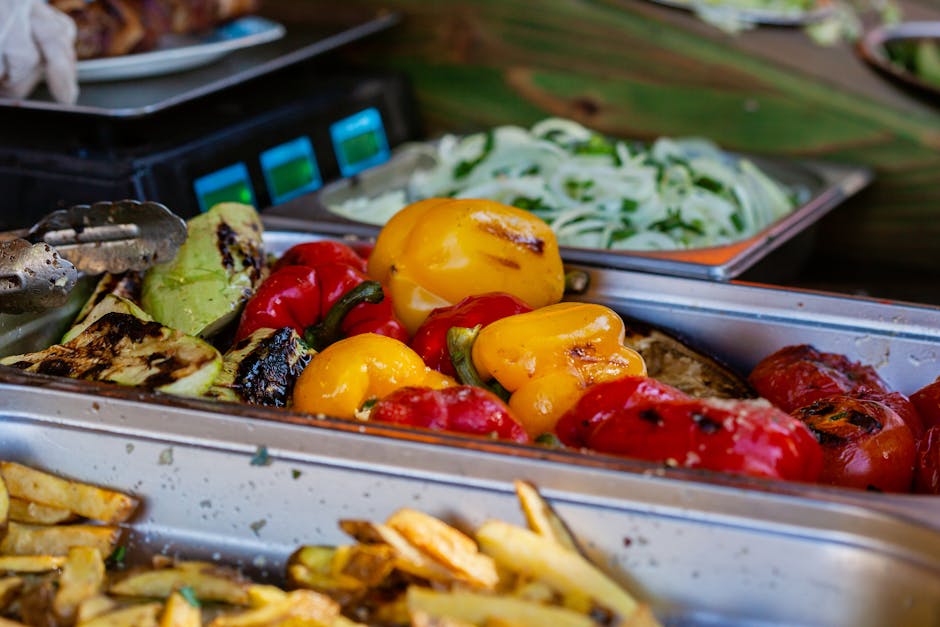
How you cook vegetables makes a huge difference in how they taste. Boiling vegetables until they are soft can destroy their flavor and make them mushy. Instead, try roasting them in the oven. When vegetables are roasted at high heat, they develop a slightly crispy outside and a richer, sweeter flavor. This happens because heat causes natural sugars in the vegetables to caramelize.
You can also try sautéing vegetables in a little olive oil with garlic. This adds flavor without adding a lot of extra calories. Air frying is another popular method that gives vegetables a satisfying crunch. Even steaming vegetables lightly — just until they are tender but still bright and firm — is much better than overcooking them. Experimenting with different cooking methods can completely change how a vegetable tastes to you.
Seasoning matters too. A sprinkle of salt, pepper, lemon juice, or your favorite herbs can turn a bland vegetable into something you actually want to eat. Do not be afraid to add spices, sauces, or a small amount of cheese to make vegetables more enjoyable, especially while you are building the habit.
Sneak Vegetables Into Foods You Already Love
One of the easiest ways to eat more vegetables is to add them to meals you already enjoy. You do not have to build every meal around a big salad. Instead, try adding spinach to a smoothie — you will barely taste it. Mix shredded zucchini or carrots into pasta sauce, meatballs, or soup. Add cauliflower to mashed potatoes or blend it into mac and cheese.
You can also add vegetables to foods like omelets, tacos, sandwiches, and stir-fries. These small additions can significantly increase your vegetable intake without making meals feel like a chore. Over time, your taste buds may even adjust and start to crave these flavors.
- Smoothies: Add a handful of spinach or kale
- Pasta sauces: Blend in roasted red peppers or zucchini
- Soups: Stir in frozen vegetables at the end of cooking
- Eggs: Mix in diced peppers, onions, or mushrooms
- Tacos or wraps: Add shredded cabbage or sliced avocado
Start Small and Build the Habit
You do not have to overhaul your entire diet overnight. Trying to eat five servings of vegetables every day when you currently eat almost none is a recipe for feeling overwhelmed. Instead, start with just one extra serving per day. Pick a vegetable you do not hate and find one way to prepare it that seems okay. Small wins build momentum.
Setting a simple goal can also help. For example, decide that every lunch will include at least one vegetable. Or commit to trying one new vegetable each week. Research on habit formation shows that small, consistent changes are more likely to stick than big, dramatic ones. Be patient with yourself as your tastes slowly shift over time.
If you are working toward weight management goals, a licensed clinician can help you build a realistic eating plan that works for your lifestyle. SendSlim offers affordable video and phone visits with licensed medical providers in California and Nevada for just $50 per visit, with no insurance required. Getting personalized guidance can make a big difference when you are trying to change your eating habits.
Make Vegetables More Convenient
One of the biggest reasons people do not eat enough vegetables is that fresh produce takes time to wash, chop, and prepare. Making vegetables more convenient removes this barrier. Keep pre-washed baby carrots, cherry tomatoes, and snap peas in the front of your refrigerator so they are easy to grab as a snack. Buy pre-cut stir-fry mixes or frozen vegetable blends that cook quickly in the microwave.
Frozen vegetables are just as nutritious as fresh ones — sometimes even more so, because they are frozen right after harvest and retain their vitamins well. Keeping your kitchen stocked with easy vegetable options means you are more likely to reach for them when hunger strikes. Convenience is one of the most powerful forces in shaping what we eat.
Conclusion
Eating more vegetables does not have to mean suffering through foods you dislike. By learning better cooking methods, sneaking vegetables into familiar meals, starting small, and making them more convenient, you can gradually increase how many vegetables you eat — without dreading mealtime. Your taste preferences can change over time, especially when you approach the process with curiosity instead of pressure.
If you want support creating a healthy eating plan that fits your life, consider speaking with a medical professional. SendSlim makes it easy to connect with licensed clinicians from the comfort of home. Building better habits one step at a time is the most sustainable path to long-term health.
References
- Drewnowski, Adam and Carmen Gomez-Carneros. “Bitter Taste, Phytonutrients, and the Consumer: A Review.” American Journal of Clinical Nutrition. 2000.
- Rolls, Barbara J. “The Role of Energy Density in the Overconsumption of Fat.” Journal of Nutrition. 2000.
- Centers for Disease Control and Prevention. “Have a Plant: Fruits and Vegetables for Better Health.” CDC.gov. 2023.
- Harnack, Lisa, et al. “Vegetable and Fruit Intake in Relation to Body Weight Among Adults.” Obesity Research. 2004.
- Lally, Phillippa, et al. “How Are Habits Formed: Modelling Habit Formation in the Real World.” European Journal of Social Psychology. 2010.
Ready to start your medical weight loss journey?
Talk to a licensed clinician by phone or video — from anywhere in California or Nevada. No waiting room. No insurance needed. Just $50 per visit.
Individual results vary. Medication is only prescribed when clinically appropriate.
- Share
