
How Much Exercise Do You Need to Lose Weight?
- Home
- How Much Exercise Do You Need to Lose Weight?
How Much Exercise Do You Need to Lose Weight?
Exercise and Weight Loss: What You Really Need to Know
Many people wonder how much exercise it takes to lose weight. The answer is not as simple as “just work out more.” Exercise is an important tool, but the amount you need depends on your body, your diet, and your goals. Understanding the science behind exercise and weight can help you make a plan that actually works for you.
The good news is that you do not need to spend hours at the gym every day to see results. Research shows that even modest amounts of physical activity, done consistently, can make a real difference in your weight and overall health. The key is finding the right balance and sticking with it over time.
What the Guidelines Say
The U.S. Department of Health and Human Services recommends that adults get at least 150 to 300 minutes of moderate-intensity aerobic activity each week. This works out to about 30 minutes a day, five days a week. Examples of moderate-intensity activity include brisk walking, cycling on flat ground, or water aerobics.
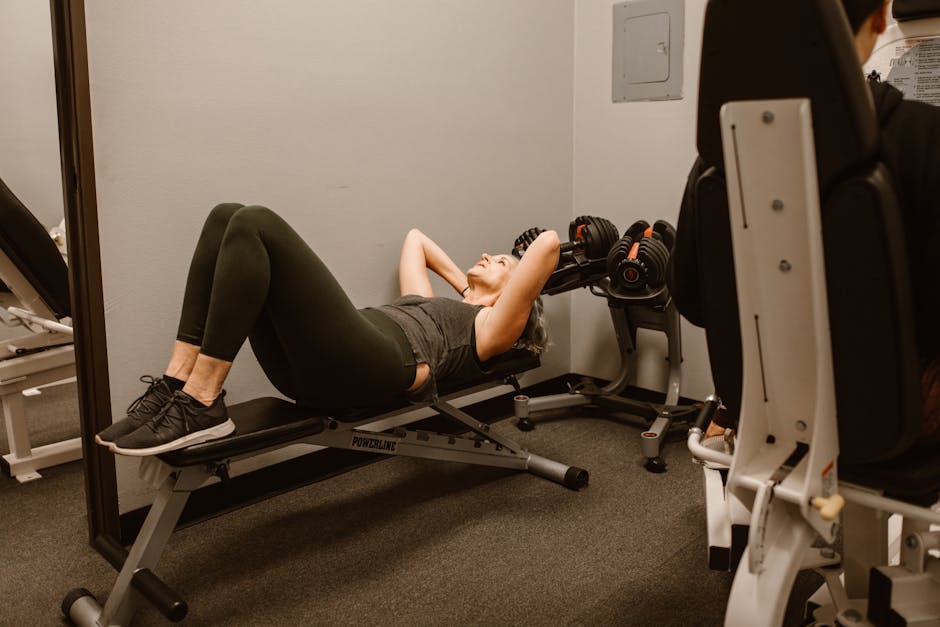
For more significant weight loss, some experts suggest aiming for 300 minutes or more per week of moderate activity. The guidelines also recommend adding muscle-strengthening activities, like lifting weights or doing bodyweight exercises, at least two days per week. Building muscle helps your body burn more calories even when you are at rest.
It is important to remember that these are general guidelines. Every person is different. Factors like age, fitness level, and any existing health conditions can change how much exercise is right for you. Talking with a licensed clinician is a smart first step before starting a new exercise program.
Aerobic Exercise vs. Strength Training
Aerobic exercise, also called cardio, is movement that raises your heart rate and keeps it elevated for a period of time. Walking, jogging, swimming, and dancing all count. Cardio burns calories during the workout itself, which makes it a popular choice for people trying to lose weight.
Strength training works differently. When you build muscle through exercises like squats, push-ups, or weightlifting, your body becomes better at burning calories all day long. Muscle tissue burns more calories at rest than fat tissue does. This means that adding strength training to your routine can boost your metabolism over time.
Most experts recommend doing both types of exercise for the best results. A combination of cardio and strength training tends to be more effective for weight management than doing just one or the other. Even two days of strength training per week alongside your cardio sessions can make a meaningful difference.
How Exercise Compares to Diet
Here is something many people find surprising: diet tends to have a bigger impact on weight loss than exercise alone. Creating a calorie deficit — meaning you take in fewer calories than you burn — is the foundation of weight loss. It is much easier to cut calories through food choices than to burn them off through exercise.
For example, running for 30 minutes might burn around 300 calories. But eating one large fast-food meal can add 1,000 calories or more. This does not mean exercise is not important — it absolutely is. But it does mean that exercise works best when it is paired with healthy eating habits.
Exercise also helps with weight maintenance. Studies show that people who keep weight off long-term tend to be physically active on a regular basis. So even if diet does the heavy lifting during the weight loss phase, exercise plays a critical role in keeping the weight from coming back.
Finding Activities You Will Actually Do
The best exercise is the one you will actually stick with. If you hate running, forcing yourself to run every day is unlikely to work long-term. There are many ways to be physically active, and finding activities you enjoy makes consistency much easier.
Consider trying activities like:
- Brisk walking in your neighborhood or a local park
- Swimming or water aerobics
- Cycling, either outdoors or on a stationary bike
- Dance classes or fitness videos at home
- Yoga or Pilates for both movement and stress relief
- Recreational sports like pickleball, basketball, or tennis
Starting small is perfectly fine. If you have not been active in a while, even 10 to 15 minutes of movement a day is a great starting point. You can gradually increase the duration and intensity as your fitness improves. Progress matters more than perfection.
Barriers to Exercise and How to Overcome Them
Many people know they should exercise more but struggle to find the time or motivation to do it. Common barriers include a busy schedule, physical discomfort, lack of energy, or not knowing where to start. These challenges are real, and they are worth addressing directly.
Breaking exercise into shorter sessions throughout the day can help if time is the issue. Three 10-minute walks spread across the day can provide similar health benefits to one 30-minute walk. If physical pain or a health condition is making movement difficult, a doctor or clinician can help you find safe options that work for your body.
Having a plan and tracking your activity, even simply on your phone or a notebook, can boost motivation. Finding a walking partner or joining a group class adds social support, which research shows helps people stay consistent with exercise habits.
Getting Personalized Guidance
General guidelines are helpful, but a personalized plan is even better. A licensed clinician can look at your health history, fitness level, and weight goals to help you figure out exactly what kind and amount of exercise makes sense for you. This is especially important if you have any chronic health conditions or have been inactive for a long time.
If you are in California or Nevada and want professional guidance without the hassle of a long wait or high cost, SendSlim.com offers video and phone visits with licensed clinicians for just $50 per visit — no insurance required. Getting expert advice can help you build a safe and effective plan that fits your real life.
Exercise is not a one-size-fits-all solution, but it is one of the most powerful tools available for supporting a healthy weight. Combined with smart eating habits and professional support when needed, regular physical activity can help you feel stronger, healthier, and more energized over time.
References
- U.S. Department of Health and Human Services. “Physical Activity Guidelines for Americans, 2nd Edition.” HHS.gov. 2018.
- Swift, Damon L., et al. “The Role of Exercise and Physical Activity in Weight Loss and Maintenance.” Progress in Cardiovascular Diseases. 2014.
- Donnelly, Joseph E., et al. “American College of Sports Medicine Position Stand: Appropriate Physical Activity Intervention Strategies for Weight Loss and Prevention of Weight Regain for Adults.” Medicine & Science in Sports & Exercise. 2009.
- Wing, Rena R., and Suzanne Phelan. “Long-Term Weight Loss Maintenance.” American Journal of Clinical Nutrition. 2005.
- Centers for Disease Control and Prevention. “Physical Activity for a Healthy Weight.” CDC.gov. 2023.
Ready to start your medical weight loss journey?
Talk to a licensed clinician by phone or video — from anywhere in California or Nevada. No waiting room. No insurance needed. Just $50 per visit.
Individual results vary. Medication is only prescribed when clinically appropriate.
- Share
