
How to Use Fiber-Rich Foods in Your Everyday Life
- Home
- How to Use Fiber-Rich Foods in Your Everyday Life
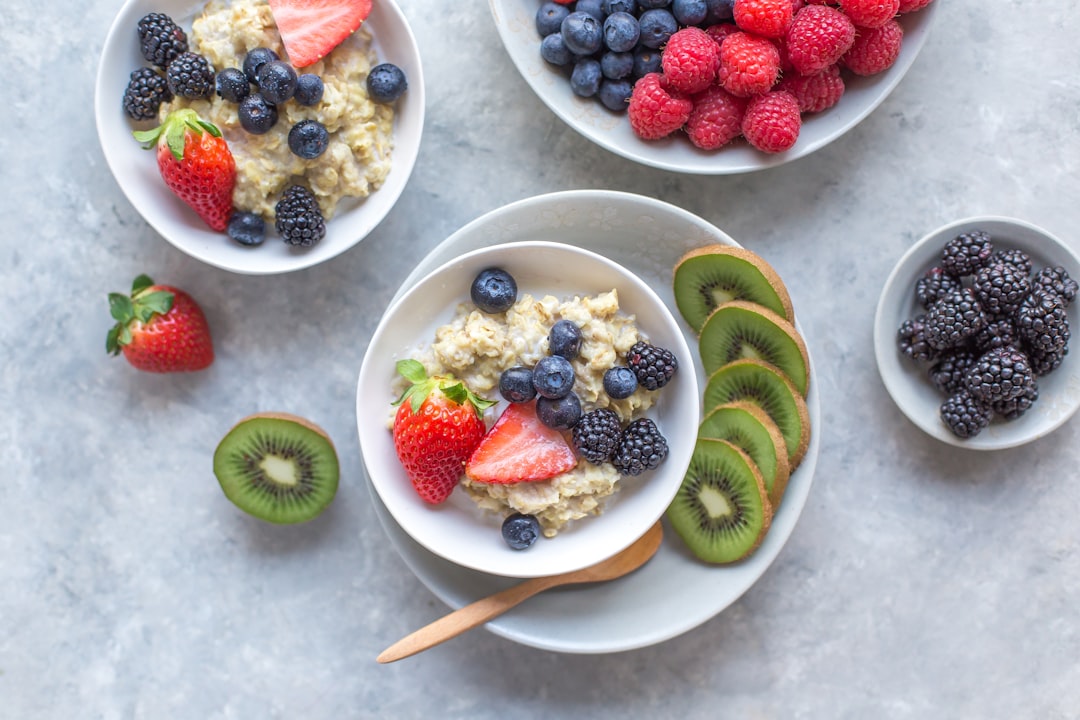
How to Use Fiber-Rich Foods in Your Everyday Life
Fiber is like gentle “traffic control” for your body.
It helps:
- Keep your bathroom habits more regular
- Support blood sugar and cholesterol
- Help you feel fuller on fewer calories
This guide explains, in simple, everyday language, how to use fiber-rich foods to support weight loss and better health.
This article is general information, not personal medical advice.
Always follow the plan you make with your own health care provider or a SendSlim clinician.
What Is Fiber, and Why Does It Matter?
Fiber is the part of plant foods your body can’t fully break down.
You find fiber in:
- Vegetables
- Fruits
- Beans and lentils
- Whole grains (like oats, brown rice, whole-wheat bread)
- Nuts and seeds
Fiber helps with:
- Fullness: You feel satisfied longer after meals.
- Digestion: Helps prevent constipation and keeps things moving.
- Blood sugar: Slows down how fast sugar from food hits your blood.
- Cholesterol: Some types of fiber help pull “bad” cholesterol out of your body.
You don’t need fancy products. Simple, real foods work very well.
Two Main Types of Fiber (In Simple Terms)
There are two big types of fiber. Most plant foods have some of both.
- Soluble fiber – “soaks up” water like a sponge and forms a soft gel.
- Found in: oats, apples, oranges, beans, lentils, barley, flaxseed, some veggies
- Helps with: fullness, blood sugar, and cholesterol
- Insoluble fiber – “adds bulk” to your stool and helps keep you regular.
- Found in: whole-wheat bread, brown rice, bran, many veggies, nuts, seeds
- Helps with: constipation and overall gut movement
You don’t need to memorize which is which.
If you eat a mix of plants, you’ll get both.
How Much Fiber Do Most Adults Need?
Most adults do well aiming for around:
- 25–30 grams of fiber per day, from food when possible.
Many people get much less than this, which can affect fullness, digestion, and health.
You don’t have to hit the “perfect” number on day one.
The goal is to add a little more over time.
Step 1: Start with Breakfast
Breakfast is a great place to add fiber.
Easy fiber-rich breakfast ideas:
- Oatmeal
- Use rolled or steel-cut oats.
- Add berries, sliced banana, or chopped apple.
- Sprinkle a few nuts or seeds on top.
- High-fiber cereal
- Look for at least 3–5 grams of fiber per serving on the label.
- Add fruit and milk or a milk alternative.
- Whole-grain toast
- Choose bread with whole wheat or another whole grain as the first ingredient.
- Top with peanut butter and sliced banana, or avocado and tomato.
- Fruit + protein combo
- An apple or pear with peanut butter.
- Berries with Greek yogurt.
You don’t have to change everything.
Even one fiber upgrade at breakfast is a good start.
Step 2: Build a Fiber-Friendly Lunch
At lunch, think:
“Half plants, plus protein.”
Simple ideas:
- Big salad meal
- Base: lettuce, spinach, or mixed greens
- Add: carrots, cucumbers, tomatoes, peppers, beans, or chickpeas
- Protein: chicken, tofu, tuna, egg, or beans
- Dressing: small amount of vinaigrette or olive-oil–based dressing
- Soup and fiber side
- Bean or lentil soup
- Side: small salad or a piece of whole-grain bread
- Leftovers with a boost
- Add a side of veggies (fresh, frozen, or steamed)
- Add beans or lentils to leftover rice, pasta, or meat dishes
Little changes like adding beans or a vegetable side can increase fiber without a complete makeover.
Step 3: Make Dinner Work for You
At dinner, try this simple plate idea:
- ½ plate: vegetables (cooked or raw)
- ¼ plate: protein (fish, chicken, turkey, tofu, beans, eggs, lean meat)
- ¼ plate: whole grains or starchy veggies (brown rice, quinoa, beans, lentils, sweet potato, corn)
Every time you can:
- Swap white rice for brown rice or quinoa
- Swap regular pasta for whole-wheat or add veggies/beans to the sauce
- Add a vegetable to a meal that didn’t have one
…you’re gently raising your fiber.
You don’t have to do this perfectly at every meal.
Aim for “better than before,” not “perfect.”
Step 4: Use Snacks to Add Fiber (Not Just Sugar)
Snacks are a big chance to add fiber and fullness.
Instead of chips, candy, or pastries every time, try:
- Fruit + nuts
- Apple or pear + small handful of almonds or walnuts
- Veggies + dip
- Carrot sticks, cucumber slices, bell pepper strips + hummus
- Whole-grain crackers + protein
- Whole-grain crackers with cheese, tuna, or peanut butter
- Popcorn (air-popped or lightly seasoned)
- A good source of whole-grain fiber when not drenched in butter and sugar
You don’t have to give up all treats.
Just let some snacks be fiber-rich, filling choices.
Step 5: Read Food Labels in a Simple Way
When you look at a food label, check “Dietary Fiber”:
- A good source usually has 3 grams or more per serving.
- A high-fiber option may have 5 grams or more per serving.
Pick higher-fiber options for:
- Bread and wraps
- Crackers
- Cereals
- Granola bars
Small label changes add up over time.
Step 6: Increase Fiber Slowly and Drink Water
If you jump from low fiber to high fiber all at once, you may get:
- Gas
- Bloating
- Stomach discomfort
To feel better:
- Increase fiber slowly over a few weeks.
- Drink enough water during the day so fiber can move through your system.
- Spread fiber across all meals, not just one giant high-fiber meal.
If you have bowel diseases or special gut conditions, ask your clinician how much fiber is right for you.
Step 7: Connect Fiber to Weight Loss
Fiber itself doesn’t “melt fat,” but it can help with weight loss by:
- Helping you feel full on fewer calories
- Making it easier to avoid overeating
- Supporting steadier blood sugar, which can reduce cravings
- Helping you feel more comfortable and regular, which makes it easier to stick to a plan
For many people, higher-fiber eating is easier to live with than very strict diets.
Step 8: Fiber and Weight-Loss Medications
If you’re taking a weight-loss medication (like a GLP-1 or other appetite medicine), fiber can be extra helpful:
- Small, fiber-rich meals can help you feel satisfied without overeating.
- Fiber may help manage some stomach side effects (like mild constipation), though you should always follow your clinician’s advice.
- It becomes even more important to choose nutrient-dense foods since you may be eating less overall.
Your SendSlim clinician can help you match:
- Fiber intake
- Protein goals
- Medication dose
…so your stomach and digestion are as comfortable as possible.
Easy Ways to Begin This Week
Pick 1–3 ideas from this list to start:
- Add 1 piece of fruit to your day.
- Swap white bread or rice for whole-grain once a day.
- Add beans or lentils to one meal this week.
- Have veggies + hummus or fruit + nuts once instead of chips or candy.
- Make oatmeal for breakfast one extra day this week.
You don’t have to do everything.
Small, steady changes are what truly build new habits.
How SendSlim Uses Fiber in Your Weight-Loss Plan
At SendSlim Clinic (part of Affection Health Care LLC), we know:
- Most people are not getting enough fiber
- Extreme diets are hard to maintain
- Simple food changes can make a big difference over time
In our telehealth medical weight-loss program for adults in California and Nevada, we:
- Review your current eating pattern, including fiber sources
- Help you add easy, fiber-rich foods to meals you already eat
- Combine fiber strategies with:
- Enough protein
- Gentle movement
- Sleep and stress support
- Weight-loss medications when they are safe and appropriate
We focus on changes that fit your real life, not a perfect meal plan on paper.
Key Takeaways
- Fiber is found in plant foods and helps with fullness, digestion, blood sugar, and cholesterol.
- Most adults do well aiming for about 25–30 grams of fiber per day, added slowly over time.
- You can add fiber by:
- Choosing oats, beans, lentils, fruits, veggies, whole grains, nuts, and seeds
- Swapping in higher-fiber bread, cereals, and snacks
- Drinking enough water and increasing fiber gradually
- Fiber makes it easier to feel full and stick to your weight-loss plan, especially when paired with protein and gentle movement.
If you live in California or Nevada and want help using fiber-rich foods as part of a medical weight-loss plan, you can start by booking a telehealth visit with SendSlim.
- Share
