
Low-Impact Workouts: How to Start Gently
- Home
- Low-Impact Workouts: How to Start Gently
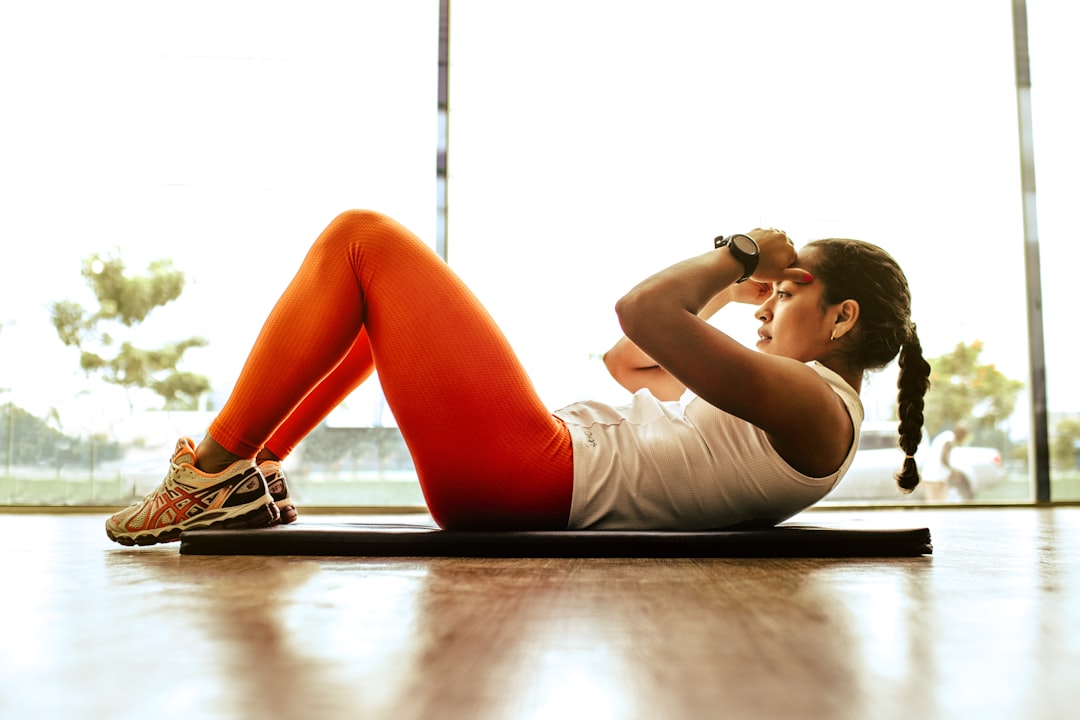
Low-Impact Workouts: How to Start Gently
You do not have to run, jump, or do burpees to get healthier.
Low-impact workouts are a great way to move your body gently, protect your joints, and support weight loss.
This guide will show you:
- What “low-impact” means
- Simple workout ideas
- How to start slowly and safely
This article is general information, not personal medical advice.
Always talk with your own health care provider (or a SendSlim clinician) before starting a new exercise plan, especially if you have heart, lung, or joint problems.
What Does “Low-Impact” Mean?
Low-impact means your feet and joints are not pounding hard on the ground.
In low-impact exercise:
- At least one foot usually stays on the floor
- Jumps and hard landings are avoided
- Movements are smoother and easier on your knees, hips, and back
Low-impact workouts can still:
- Raise your heart rate
- Help you burn calories
- Improve your health
- Support weight loss over time
Why Low-Impact Workouts Are Helpful
Low-impact exercise can be a good choice if you:
- Have joint pain in your knees, hips, or back
- Are new to exercise
- Have extra weight and want to protect your joints
- Are older or have balance concerns
- Are coming back after an injury or long break
Benefits can include:
- Better heart and lung health
- Less stiffness in joints
- More energy
- Better mood and sleep
- Support for weight loss when combined with a healthy eating plan
You don’t have to feel “destroyed” after a workout for it to count.
Examples of Low-Impact Workouts
Here are some ideas you can mix and match. Choose what feels safe for your body.
1. Gentle Walking
- Walk at a pace where you can still talk
- Start with 5–10 minutes at a time
- You can walk:
- Inside your home
- In your neighborhood
- In a mall
- On a flat path or track
Walking is one of the easiest ways to start moving more.
2. Stationary Bike or Regular Bike
- A stationary bike is kinder to knees and hips than running
- You control:
- Speed
- Time
- Resistance (how hard it feels)
- Start with short rides, like 5–10 minutes, and build up slowly
Always adjust the seat height so your knees are slightly bent at the bottom of the pedal stroke.
3. Swimming or Water Aerobics
- Water supports your body weight
- This takes pressure off joints
- You can:
- Swim laps
- Walk in the shallow end
- Join a water aerobics class
Water workouts are especially kind to people with joint pain or extra weight.
4. Elliptical Machine
- Feet stay on the pedals (no pounding)
- You move arms and legs in a smooth motion
- Often easier on knees and hips than running on a treadmill
Start slow and hold the handles until you feel steady.
5. Chair Exercises
If you have trouble standing for long:
- Sit in a sturdy chair
- Do:
- Marching in place while seated
- Arm raises
- Gentle twists
- Leg lifts (one leg at a time)
You can find “chair workout” videos made for beginners. Always choose options that feel safe for you.
6. Light Strength Training
Strength training helps:
- Protect muscles
- Support your metabolism
- Improve balance and daily function
Low-impact strength ideas:
- Body-weight moves (like wall push-ups or sit-to-stand from a chair)
- Light dumbbells
- Resistance bands
Start with:
- 1–2 sets of 8–10 gentle reps
- 2–3 days per week
Skip moves that cause sharp pain. Focus on smooth, controlled motions.
7. Yoga, Stretching, or Tai Chi
These can:
- Improve balance and flexibility
- Reduce stress
- Help you feel more connected to your body
Look for classes or videos labeled:
- “Beginner”
- “Gentle”
- “Chair yoga”
- “Senior” or “Low-impact”
Move slowly and listen to your body. It’s okay to skip positions that don’t feel safe.
How to Start Gently: A Simple 4-Week Plan
This is just an example. You can change it based on how you feel and what your clinician recommends.
Week 1: Just Getting Moving
Goal: 3 days of activity this week
- Choose any low-impact activity from the list
- Do 5–10 minutes at an easy pace each time
- You should be able to talk while you move
Example:
- Mon: 8-minute easy walk
- Wed: 8 minutes of chair exercises
- Sat: 10 minutes on a stationary bike
If this is too much, do 3–5 minutes. Any safe movement is a good start.
Week 2: Add a Little Time
Goal: 3–4 days of activity
- Do 10–15 minutes each time
- Keep the pace comfortable
Example:
- Mon: 10-minute walk
- Wed: 10-minute walk + 5-minute stretching
- Fri: 10 minutes on bike
- Sun: 10-minute walk
Week 3: Build the Habit
Goal: 4 days of activity
- Aim for 15–20 minutes each time
- Mix activities if you like (walk one day, bike or chair exercises another)
Example:
- Mon: 15-minute walk
- Wed: 15-minute chair or band workout
- Fri: 15-minute walk
- Sun: 20-minute water workout or gentle yoga
Week 4 and Beyond: Find Your “Sweet Spot”
Many health groups recommend about 150 minutes of moderate activity per week for most adults, if it is safe for them. That might look like:
- 30 minutes a day, 5 days a week
But this is a long-term goal, not a rule for week one. If you can only do 10–15 minutes a few days per week, that still counts and still helps.
Staying Safe With Low-Impact Workouts
Low-impact is gentler, but you still need to be careful.
Before you start, talk with your clinician if you:
- Have heart disease, lung disease, or serious kidney disease
- Have strong joint pain or serious balance problems
- Get chest pain or feel like you might pass out with small efforts
During your workout:
- Expect a bit of:
- Warmth
- Light sweating
- Slightly faster breathing
- Stop and rest if you feel:
- Dizziness
- Nausea
- Sharp joint or chest pain
Get emergency help (call 911) right away if you have:
- Chest pain, pressure, or tightness
- Trouble breathing that does not improve with rest
- Pain spreading to jaw, neck, arm, or back
- Sudden trouble speaking, smiling, or moving one side of the body
- Feeling like you might pass out
Do not wait for a telehealth message or your next appointment if you think it might be an emergency.
Tips to Make Low-Impact Exercise Easier to Stick With
- Pair it with something you already do
- Walk after breakfast or dinner
- Do chair exercises while watching TV
- Use music or shows
- Listen to your favorite songs or a podcast
- Watch a show while you walk in place or use a bike
- Track tiny wins
- Write: “Mon – 8 minutes of walking. Tired but proud.”
- Seeing your progress can keep you going.
- Choose what you enjoy
- If you hate one activity, try another
- You’re more likely to stay with things you don’t dread
Remember: Something is always better than nothing.
How Low-Impact Workouts Fit Into the SendSlim Program
At SendSlim Clinic (part of Affection Health Care LLC), we:
- Help you choose safe, low-impact workouts that match your:
- Health conditions
- Age
- Joint comfort
- Daily schedule
- Start with small, gentle goals, not intense workouts
- Adjust your activity plan if you:
- Start weight-loss medications
- Have pain or new symptoms
- Make progress and want to do more
All of this is done through telehealth visits for adults in California and Nevada, so you can talk with a clinician from home.
Low-impact workouts are one tool in your plan, along with:
- A realistic eating pattern
- Sleep and stress support
- Medical care and medication when needed
Key Takeaways
- Low-impact workouts are easier on your joints but still help your heart, health, and weight-loss goals.
- Good choices include walking, biking, swimming, water aerobics, chair workouts, light strength training, yoga, and tai chi.
- Start gently: 5–10 minutes a few days per week, then build up slowly.
- Listen to your body and get emergency help for serious warning signs.
- You don’t need to be perfect—small, steady steps matter.
If you live in California or Nevada and want help creating a gentle, low-impact workout plan as part of a medical weight-loss program, you can start by booking a telehealth visit with SendSlim.
- Share
